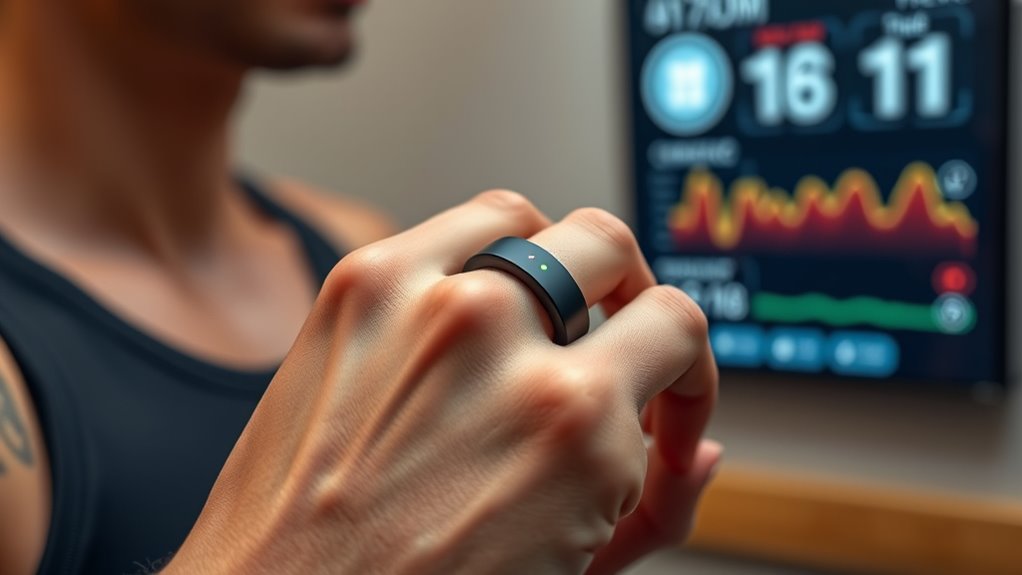
The smart ring fitness platform has quickly become one of the most interesting developments in wearable technology. Instead of carrying a bulky watch or constantly checking a phone, users can now wear a tiny, discreet ring that collects biometric data throughout the day and night. That data is then translated into sleep scores, readiness signals, heart rate trends, recovery insights, and activity recommendations. For anyone who wants a clearer picture of their health without wearing a large device, a smart ring fitness platform can be a powerful tool.
This guide explains how smart ring fitness platforms work, what features matter most, how to choose the right device, how to set it up properly, and how to use the data to improve training, sleep, stress management, and overall well-being. It also covers common mistakes, privacy concerns, and the future of this fast-growing category. Whether you are an athlete, a busy professional, a biohacker, or someone who simply wants to understand your body better, this guide will help you get more value from a smart ring fitness platform.
What Is a Smart Ring Fitness Platform?
A smart ring fitness platform is a combination of hardware and software. The hardware is a small wearable ring that contains sensors, a battery, and wireless connectivity. The software is the companion app, cloud service, and sometimes a web dashboard that stores and analyzes the data. Together, they form a platform that tracks health metrics and turns raw numbers into useful guidance.
The ring itself usually includes optical heart rate sensors, accelerometers, temperature sensors, and sometimes blood oxygen sensors. It communicates with a phone through Bluetooth or another wireless protocol. The app then processes the data using algorithms and machine learning models. The goal is not only to show numbers but to explain what those numbers mean. A good smart ring fitness platform helps users understand whether they are recovered, stressed, sleep-deprived, or ready for a harder workout.
Why Smart Rings Are Different from Smartwatches
Smartwatches are powerful, but they are also visible, heavier, and often distracting. A smart ring takes a different approach. It is minimal, lightweight, and designed to be worn 24 hours a day, including during sleep. Because it does not have a large screen, it encourages users to check insights later rather than constantly looking at notifications. This can lead to more consistent wear time and better long-term data.
Another difference is focus. Many smartwatches try to do everything: calls, messages, music, maps, payments, and fitness. A smart ring fitness platform usually focuses on health, recovery, sleep, and readiness. That focus can be an advantage. Instead of overwhelming users with features, it delivers a smaller set of meaningful metrics. For people who want a dedicated health tracker rather than a second smartphone on their wrist, the smart ring is often the better choice.
Core Features to Expect
A smart ring fitness platform can vary by brand, but most high-quality platforms include several core features. The following list explains the most important ones.
A. Continuous heart rate monitoring. The ring tracks heart rate throughout the day and night. This helps users see resting heart rate, active heart rate, and unusual spikes. Continuous data is more useful than a single measurement because it shows patterns over time.
B. Sleep and recovery analysis. Sleep is one of the strongest areas for smart rings. The platform estimates sleep stages, sleep duration, sleep efficiency, and disturbances. It then produces a sleep score or recovery score that helps users understand how prepared they are for the day.
C. Activity and calorie tracking. The ring counts steps, movement, and active minutes. It estimates calories burned based on movement and heart rate. This is useful for weight management, general fitness, and daily activity goals.
D. Heart rate variability and stress insights. Heart rate variability, often called HRV, is a key indicator of nervous system balance. A smart ring fitness platform may use HRV to estimate stress, recovery, and readiness. High HRV often suggests good recovery, while low HRV may indicate stress or fatigue.
E. Temperature and cycle tracking. Some rings measure skin temperature changes. This can help detect illness, travel fatigue, or menstrual cycle phases. For women, temperature trends can support cycle awareness and fertility tracking.
F. Blood oxygen and respiratory trends. Certain models estimate blood oxygen saturation and respiratory rate during sleep. These metrics can provide early signals of breathing changes, altitude adjustment, or sleep issues.
G. Training load and readiness. Many platforms combine activity, sleep, and HRV into a readiness score. This score tells users whether they should push hard, train moderately, or rest. It is one of the most practical features for athletes.
H. Smart alarms and notifications. A smart ring can wake users with a gentle vibration at the best point in their sleep cycle. It may also deliver limited notifications, though this varies by brand.
I. Battery life and durability. Smart rings generally last several days per charge. They are also water-resistant and designed for continuous wear. Battery life is a major factor because poor battery life leads to gaps in data.
J. App ecosystem and integrations. The best platforms connect with Apple Health, Google Fit, Strava, MyFitnessPal, and other services. Integrations make the ring part of a larger health and fitness routine.
How the Platform Works: Data Pipeline
Understanding the data pipeline helps users trust the insights and use them correctly. The process usually follows a clear path from sensor to suggestion.
A. Sensors collect raw signals. The ring uses light, motion, and temperature sensors to measure blood flow, movement, and skin changes. These signals are noisy, so they require filtering.
B. Algorithms process the signals. The platform converts raw data into heart rate, HRV, sleep stages, and activity estimates. Advanced algorithms correct for motion, poor contact, and other errors.
C. The app displays dashboards. Users see scores, graphs, and trends. Good apps highlight changes over time rather than focusing only on today’s number.
D. Cloud sync stores history. Data is usually synced to a secure cloud account. This allows long-term trend analysis and access across multiple devices.
E. Actionable recommendations appear. The platform may suggest a bedtime, a recovery day, a breathing exercise, or a target activity level. The best recommendations are specific, realistic, and based on the user’s own baseline.
Choosing the Right Smart Ring Fitness Platform

Not all smart rings are equal. The right choice depends on personal goals, budget, phone type, and privacy preferences. The following criteria can help narrow the options.
A. Accuracy and validation. Look for independent reviews or studies that compare the ring to medical-grade equipment. No wearable is perfect, but consistent accuracy matters more than perfect accuracy.
B. Comfort and sizing. A smart ring must fit well. If it is too loose, sensors may fail. If it is too tight, it can be uncomfortable. Many brands offer sizing kits, so use them before buying.
C. Battery and charging. A ring that lasts five to seven days is convenient. A ring that lasts two days may become frustrating. Consider how long charging takes and whether a charging case is available.
D. Subscription model. Some platforms require a monthly subscription for full insights. Others include most features for free. Calculate the total cost over one or two years before deciding.
E. Compatibility. Check whether the ring works with iOS, Android, or both. Also check integration with the apps you already use, such as Strava, Apple Health, or Google Fit.
F. Data privacy. Read the privacy policy. Understand what data is collected, how it is stored, whether it is sold, and whether you can export or delete it.
G. Community and coaching. Some platforms offer challenges, community groups, or human coaching. These features can increase motivation and accountability.
H. Price and value. A high price does not always mean better data. Compare features, subscription costs, warranty, and return policy. Value is about long-term usefulness, not just the initial price.
Setting Up Your Smart Ring for Success
A smart ring fitness platform works best when it is set up correctly. Poor setup can lead to inaccurate data and disappointing results.
A. Charge and update. Before first use, charge the ring fully and install the latest firmware. Updates often improve accuracy and add features.
B. Size correctly. Wear the ring on the recommended finger. Many brands suggest the index, middle, or ring finger. The fit should be snug but not painful.
C. Wear consistently. The platform needs baseline data. Wear the ring day and night for at least one to two weeks before judging its insights.
D. Calibrate your profile. Enter age, sex, height, weight, and training background. These details help algorithms estimate calories, readiness, and recovery.
E. Set realistic goals. Start with small goals, such as improving sleep duration or moving more each day. Overly aggressive goals can lead to frustration.
F. Connect your apps. Link the ring to your health and fitness apps. This creates a unified view of activity, nutrition, and training.
G. Establish a baseline. Do not change everything at once. Give the platform time to learn your normal patterns before making major decisions based on its scores.
How to Use Daily Metrics
Daily metrics are useful only when they are interpreted correctly. A single number rarely tells the whole story. Trends over time are more valuable.
A. Sleep score. Use the sleep score to identify patterns. If your score drops after late meals, alcohol, or screen time, adjust those habits. Do not panic over one bad night.
B. Readiness score. Readiness combines recovery signals. A low score may mean you need lighter training. A high score may mean you can push harder. Use it as a guide, not a command.
C. Activity score. Activity scores encourage movement. If your score is low, add a walk, take the stairs, or do a short workout. If it is high, avoid overtraining.
D. Stress score. Stress scores are based on HRV and heart rate. If stress is high, try breathing exercises, meditation, or a lighter schedule. Chronic high stress deserves attention.
E. Heart rate trends. Resting heart rate is a simple but powerful metric. If it rises for several days, you may be fatigued, sick, or dehydrated. If it falls over weeks, your fitness may be improving.
F. Recovery time. Some platforms estimate how long you need to recover after intense exercise. Respecting recovery time can reduce injury risk and improve performance.
Building a Fitness Routine with Smart Ring Data
A smart ring fitness platform is not a replacement for a training plan. It is a feedback tool. When used well, it can help users train smarter and recover better.
A. Base building. Use heart rate and activity data to build an aerobic base. Keep most training easy and consistent. The ring can show whether you are staying in the right heart rate zones.
B. Intensity training. Use readiness and recovery scores to decide when to do interval training or high-intensity work. Hard sessions should happen when recovery is adequate.
C. Recovery days. Schedule recovery days based on sleep, HRV, and readiness. Recovery is not laziness; it is part of improvement.
D. Sleep optimization. Use sleep data to improve bedtime routines. A consistent sleep schedule, dark room, and reduced caffeine can raise sleep scores and recovery.
E. Nutrition and hydration. The ring does not measure nutrition directly, but it can show how food and alcohol affect sleep, heart rate, and recovery. Use those patterns to make better choices.
F. Strength and mobility. Strength training and mobility work support long-term health. The ring can track activity and recovery around these sessions, helping users balance load.
Common Mistakes to Avoid
Many users get less value from a smart ring because of avoidable mistakes. Avoiding these can improve the experience.
A. Overreacting to one day. One poor sleep score or low readiness score is not a crisis. Look at weekly and monthly trends instead.
B. Wearing the ring too loose. Poor contact causes inaccurate heart rate and sleep data. Adjust the fit or try a different finger.
C. Ignoring context. A low readiness score after a hard workout is normal. A high stress score during a difficult work week is also normal. Always consider life context.
D. Chasing scores. Scores are estimates, not grades. Do not sacrifice real health for a better number. Use scores to support decisions, not dictate them.
E. Not syncing regularly. If the ring does not sync, data may be lost or delayed. Open the app daily or enable background sync.
F. Skipping updates. Firmware and app updates often fix bugs and improve accuracy. Install them when available.
Privacy, Security, and Data Ownership

Smart rings collect intimate health data. That makes privacy and security essential. Users should know what data is collected, where it is stored, and who can access it. A strong platform uses encryption, allows data export, and provides clear deletion options. It should also explain whether data is shared with third parties or used for advertising.
Before buying a smart ring fitness platform, read the privacy policy and terms of service. Check whether the company has a history of security issues. Prefer platforms that let users download their own data. Data ownership matters because health data can be used for research, insurance, or marketing. A trustworthy platform respects user consent and control.
Smart Rings vs. Smartwatches vs. Fitness Bands
Smart rings, smartwatches, and fitness bands all track health, but they serve different needs. Smartwatches offer screens, apps, GPS, and notifications. They are excellent for people who want a multifunction device. Fitness bands are affordable and lightweight but often lack advanced recovery metrics. Smart rings focus on comfort, continuous wear, and subtle health tracking.
The best choice depends on lifestyle. If you want to leave your phone behind and track runs with GPS, a smartwatch may be better. If you want detailed sleep and recovery data without distraction, a smart ring may be better. Some users wear both: a smartwatch during workouts and a smart ring for sleep and daily recovery.
The Future of Smart Ring Fitness Platforms
The future of smart ring fitness platforms is likely to include better sensors, more personalized insights, and deeper integration with healthcare. We may see rings that detect irregular heart rhythms, monitor blood pressure trends, or predict illness earlier. Artificial intelligence will play a larger role in turning data into personalized coaching. Instead of generic advice, users may receive recommendations based on their unique physiology, schedule, and goals.
Battery life, accuracy, and privacy will remain important. As the category grows, competition will push prices down and features up. The smart ring may become as common as the fitness band, especially for people who value comfort and continuous tracking.
Conclusion
A smart ring fitness platform is more than a gadget. It is a personal health dashboard that can reveal patterns in sleep, stress, recovery, and activity. When chosen carefully and used consistently, it can help users train smarter, rest better, and understand their bodies more deeply. The key is to treat the ring as a guide rather than a judge. Focus on trends, respect context, and use the insights to build sustainable habits.
Whether you are new to wearables or replacing an old fitness tracker, this guide provides a practical path. Start with clear goals, choose a platform that fits your needs, set it up correctly, and give it time to learn your baseline. With patience and consistency, a smart ring fitness platform can become a valuable partner in your long-term health and fitness journey.