

Interval walking has become one of the most talked-about fitness trends online, often labeled as a viral fitness hack for people who want real results without spending hours in a gym. The idea is simple: instead of walking at the same pace for the entire session, you alternate between faster, more challenging walking intervals and slower, comfortable recovery periods. This method turns an ordinary walk into a structured cardio workout that can improve heart health, support weight loss, boost stamina, and fit into almost any schedule.
The appeal is obvious. Walking is accessible, low-impact, and beginner-friendly. Interval training adds intensity and variety, which can make a simple walk feel more like a workout. When people share their results on social media, the trend spreads quickly. But is interval walking truly a miracle hack, or is it just a well-marketed version of an old training principle? The answer is somewhere in between. It is not magic, but it is a highly effective, practical, and sustainable way to train if you understand how to do it correctly.
This article explains what interval walking is, why it went viral, what the science says, how to start, how to progress, common mistakes, safety considerations, and how to build a weekly routine. Whether you are a complete beginner, a busy professional, an older adult, or an experienced exerciser looking for a low-impact cardio option, interval walking can be adapted to your needs.
What Is Interval Walking?
Interval walking is a form of cardiovascular exercise in which you alternate between periods of faster walking and periods of slower walking. The faster segment is often called the “work interval” or “fast interval.” The slower segment is called the “recovery interval” or “easy interval.” The cycle repeats for a set number of rounds or for a set amount of time.
For example, you might walk briskly for two minutes, then walk slowly for two minutes, and repeat that cycle eight times. Or you might walk fast for 30 seconds and recover for 90 seconds. The exact timing can vary based on your fitness level, goals, and preferences.
Interval walking is sometimes confused with steady-state walking. Steady-state walking means maintaining roughly the same pace for the entire session. Interval walking deliberately changes the pace. That change is what creates the training effect. When you walk faster, your heart rate rises, your breathing becomes deeper, and your muscles work harder. When you slow down, your body recovers enough to repeat the effort with good form.
The method is not entirely new. Coaches, physical therapists, and researchers have used interval walking for years, especially with older adults and people who need joint-friendly exercise. What is new is the viral packaging. Social media creators have turned it into a simple challenge that anyone can try, often using phrases like “the viral fitness hack” or “the walking trick that changes everything.” The hype may be modern, but the underlying principle is timeless.
Why Interval Walking Went Viral
Interval walking became popular because it solves several problems at once. Many people want to exercise, but they face barriers such as lack of time, expensive gym memberships, complicated routines, or fear of injury. Interval walking removes most of those barriers.
A. It requires almost no equipment. You need comfortable shoes and a safe place to walk.
B. It is low-impact. Unlike running or jumping, walking puts less stress on the knees, hips, and ankles.
C. It is time-efficient. A 20- to 30-minute interval walk can feel more demanding than a longer, slower walk.
D. It is easy to scale. Beginners can start with short fast intervals. Advanced exercisers can add hills, incline, weight, or longer work periods.
E. It is measurable. Fitness trackers, phones, and smartwatches can track heart rate, pace, steps, and calories.
F. It is social-media friendly. Before-and-after stories, step counts, and heart-rate graphs are easy to share, which fuels viral attention.
G. It fits real life. You can do it outdoors, on a treadmill, in a mall, or even in a hallway if needed.
The viral nature of interval walking also comes from its psychological appeal. It gives people hope that small changes can produce meaningful results. Instead of demanding two hours a day, it offers a structured way to make 20 or 30 minutes count.
The Science Behind Interval Walking

The science of interval training is well established. When you alternate between higher and lower intensity, you create repeated cardiovascular challenges. This can improve aerobic capacity, heart efficiency, and muscular endurance. It can also increase mitochondrial function, which helps your cells produce energy more effectively.
Research on walking intervals, particularly in older adults, has shown improvements in leg strength, aerobic fitness, blood pressure, and glucose control. Studies on general interval training suggest that shorter bursts of higher intensity can produce fitness adaptations similar to longer steady sessions, though the exact comparison depends on many factors.
One key mechanism is heart rate variability. During fast intervals, your heart rate rises. During recovery, it drops. Over time, this repeated rise and fall can improve how quickly your heart recovers after exertion. Better heart rate recovery is generally associated with better cardiovascular fitness.
Another mechanism is improved insulin sensitivity. Muscles that are repeatedly challenged can take up glucose more efficiently. This is one reason walking after meals, especially interval walking, is often recommended for people managing blood sugar levels.
Interval walking also creates a greater metabolic demand than easy walking. That does not mean it burns thousands of calories in minutes. It means that for the same amount of time, a well-structured interval walk can burn more calories and stimulate more cardiovascular adaptation than a casual stroll.
However, it is important not to exaggerate the science. Interval walking is not a magic fat-burning switch. It does not replace strength training. It does not guarantee weight loss without nutrition and recovery. It is one effective tool in a broader healthy lifestyle.
Major Benefits of Interval Walking
Interval walking offers a wide range of benefits. Some are physical, some are mental, and some are practical.
A. Improved cardiovascular health. Regular interval walking can strengthen the heart, improve circulation, and support healthy blood pressure.
B. Better weight management. Higher intensity intervals can increase calorie burn and support fat loss when combined with a balanced diet.
C. Improved blood sugar control. Walking intervals, especially after meals, can help muscles use glucose more effectively.
D. Joint-friendly training. Because walking is low-impact, it can be a good option for people who cannot run or jump.
E. Increased stamina. Repeated intervals can improve endurance for daily activities such as climbing stairs or carrying groceries.
F. Time efficiency. You can get a meaningful workout in 20 to 30 minutes.
G. Mental health support. Walking outdoors or on a treadmill can reduce stress, improve mood, and create a sense of accomplishment.
H. Better consistency. Because it is simple and flexible, people are more likely to stick with it.
I. Scalable intensity. You can make it easier or harder without changing the basic format.
J. Longevity support. Regular physical activity is one of the strongest predictors of healthy aging.
K. Enhanced recovery between workouts. Easy walking can promote blood flow and reduce stiffness.
L. Confidence building. Completing intervals gives structure and measurable progress, which can motivate further healthy habits.
Who Should Try Interval Walking?
Interval walking is adaptable, but it is not for everyone in every situation. It is generally suitable for many people, but you should consult a healthcare professional if you have medical conditions or concerns.
A. Beginners who want a simple entry into cardio.
B. Busy professionals who need a short, effective workout.
C. Older adults who want to maintain mobility, strength, and heart health.
D. People trying to lose weight or manage body composition.
E. Runners and cyclists who want low-impact cross-training.
F. People with desk jobs who need to break up long periods of sitting.
G. Individuals recovering from minor injuries, with medical clearance.
H. Anyone who dislikes gyms or complicated equipment.
People with heart conditions, uncontrolled blood pressure, severe joint problems, balance issues, or recent surgery should speak with a doctor before starting. Pregnant individuals should also seek medical guidance and may need to modify intensity.
How to Do Interval Walking Correctly
The basic structure of an interval walking session is simple. You warm up, alternate fast and easy intervals, then cool down. The details matter more than the label.
A. Warm up for 5 minutes. Walk at an easy pace to increase blood flow and prepare your muscles.
B. Choose a work-to-recovery ratio. Beginners might use 1 minute fast and 2 minutes easy. More advanced walkers might use 2 minutes fast and 1 minute easy.
C. Walk fast at a challenging but sustainable pace. You should be breathing harder, but you should not be sprinting or gasping.
D. Recover at a comfortable pace. The recovery is not wasted time. It allows you to maintain quality during the next fast interval.
E. Repeat for 5 to 10 rounds. A total session of 20 to 40 minutes is often enough.
F. Cool down for 5 minutes. Slow your pace and let your heart rate come down gradually.
G. Stretch gently if desired. Focus on calves, hamstrings, hip flexors, and shoulders.
A simple beginner session might look like this: 5 minutes easy, then 1 minute brisk, 2 minutes easy, repeated 6 times, then 5 minutes easy. That is about 23 minutes. As you improve, you can increase the fast intervals to 90 seconds or 2 minutes, reduce recovery to 1 minute, or add more rounds.
Sample Weekly Interval Walking Plan
You do not need to do interval walking every day. Like any workout, recovery matters. Here is a sample week that balances intervals, easy walking, and rest.
A. Monday: 20-minute interval walk. Use 1 minute fast and 2 minutes easy for 6 rounds.
B. Tuesday: 30-minute easy walk. Keep the pace comfortable and conversational.
C. Wednesday: 25-minute interval walk. Use 90 seconds fast and 2 minutes easy for 6 rounds.
D. Thursday: Rest or gentle mobility. Stretch, foam roll, or take a short easy walk.
E. Friday: 30-minute interval walk. Use 2 minutes fast and 2 minutes easy for 6 rounds.
F. Saturday: 40- to 60-minute easy walk. Focus on enjoyment and recovery.
G. Sunday: Rest. Prioritize sleep, hydration, and healthy meals.
This plan is only a template. You can shift days, shorten sessions, or add strength training on two or three days per week. Strength training is important because walking alone does not fully build or preserve muscle mass.
How to Progress Safely
Progression is how you keep improving without getting bored or injured. The key is to change one variable at a time.
A. Increase the duration of fast intervals. For example, go from 1 minute to 90 seconds.
B. Increase walking speed. A slightly faster pace can raise intensity without adding time.
C. Add incline or hills. Walking uphill increases muscle activation and cardiovascular demand.
D. Reduce recovery time. Shorter recoveries make the session more challenging.
E. Add more rounds. More rounds increase total work.
F. Increase weekly frequency. Add one extra session per week if recovery allows.
G. Add light resistance. A weighted vest or backpack can increase difficulty, but start very light.
Do not increase everything at once. If you increase speed, keep the duration the same for a week. If you add hills, keep the speed moderate. Patience reduces injury risk and improves long-term results.
How to Measure Intensity
Intensity is the most important variable in interval walking. If you walk too slowly, it becomes a casual stroll. If you walk too fast, you may burn out or lose form. Here are practical ways to measure effort.
A. Talk test. During fast intervals, you should be able to speak in short sentences but not hold a long conversation. During recovery, you should be able to talk comfortably.
B. Rate of perceived exertion. Use a scale from 1 to 10. Fast intervals might be 6 to 7. Recovery might be 3 to 4.
C. Heart rate zones. If you use a tracker, aim for a moderate to vigorous zone during fast intervals. A rough estimate of maximum heart rate is 220 minus your age, but individual variation is significant.
D. Step cadence. Counting steps per minute can help you gauge pace. A brisk walk often means a higher cadence, though stride length matters.
E. Breathing pattern. Faster breathing is normal. Gasping, dizziness, or chest pain is not.
F. Recovery heart rate. Notice how quickly your heart rate drops during easy intervals. Improvement over time is a good sign.
Common Mistakes to Avoid
Many people try interval walking but fail to get results because of avoidable mistakes. Avoiding these can make your training safer and more effective.
A. Going too hard too soon. The viral version often shows intense efforts. Beginners need gradual progression.
B. Skipping the warm-up. Cold muscles and a sudden increase in heart rate can increase injury risk.
C. Making recovery too short. Recovery is part of the workout. If you cannot recover, you cannot repeat quality intervals.
D. Poor posture. Keep your head up, shoulders relaxed, core gently engaged, and steps natural.
E. Overstriding. Taking steps that are too long can stress the shins and knees.
F. Ignoring pain. Discomfort from effort is different from sharp pain. Stop if something feels wrong.
G. Doing only walking. Walking is excellent, but strength training supports metabolism, bone health, and injury prevention.
H. Wearing worn-out shoes. Good footwear matters, especially if you walk frequently.
I. Comparing yourself to social media. Viral videos often show advanced versions. Your starting point is your own.
J. Neglecting nutrition and sleep. Exercise is a stimulus. Recovery is where adaptation happens.
Gear and Setup for Interval Walking
One reason interval walking is so popular is that it requires very little. Still, a few items can improve comfort and consistency.
A. Supportive walking or running shoes. Replace them when the cushioning wears out.
B. Moisture-wicking clothing. Comfortable layers help regulate temperature.
C. Fitness tracker or smartphone. Useful for timing intervals, tracking heart rate, and measuring progress.
D. Water bottle. Hydrate before, during, and after longer sessions.
E. Safe route. Choose well-lit paths, parks, tracks, or treadmills.
F. Weather protection. Sunscreen, hat, gloves, or rain jacket depending on climate.
G. Music or podcast. Helpful for motivation, but keep volume low enough to hear traffic and surroundings.
H. Interval timer app. Many free apps can signal fast and recovery periods.
Nutrition and Recovery for Better Results
Interval walking can support health, but it works best when combined with smart nutrition and recovery habits.
A. Eat a balanced diet. Prioritize vegetables, fruits, lean proteins, whole grains, and healthy fats.
B. Stay hydrated. Even mild dehydration can reduce performance and increase fatigue.
C. Include protein. Protein supports muscle repair and satiety.
D. Do not fear carbohydrates. Carbs fuel walking and recovery, especially if you train frequently.
E. Get enough sleep. Sleep deprivation can raise stress hormones and increase appetite.
F. Take rest days. Recovery allows your cardiovascular and muscular systems to adapt.
G. Limit alcohol. Alcohol can interfere with sleep, hydration, and recovery.
H. Be consistent with meals. Skipping meals can lead to low energy and poor workout quality.
Interval Walking vs Other Cardio
Interval walking is not the only cardio option. Understanding how it compares can help you choose the right tool for your goals.
A. Versus steady walking. Interval walking is more time-efficient and can improve fitness faster, but steady walking is easier to recover from and ideal for active recovery.
B. Versus running. Running burns more calories per minute for many people, but it creates more impact. Interval walking is gentler on the joints.
C. Versus cycling. Cycling is low-impact and excellent for leg endurance. Walking is more accessible and requires less equipment.
D. Versus HIIT. High-intensity interval training can be very effective but also very demanding. Interval walking is a lower-impact alternative.
E. Versus treadmill workouts. Treadmills allow controlled speed and incline. Outdoor walking offers fresh air, varied terrain, and mental health benefits.
F. Versus strength training. Strength training builds muscle and bone. Walking improves cardiovascular fitness. The best routine often includes both.
Viral Claims: Fact vs Fiction
The viral fitness hack label comes with bold claims. It is important to separate helpful information from exaggeration.
A. Claim: “Fifteen minutes of interval walking equals an hour of regular walking.” Fact: It can feel more intense and may improve fitness efficiently, but the comparison is oversimplified.
B. Claim: “It melts belly fat.” Fact: No exercise can target belly fat directly. Interval walking can support fat loss, but overall nutrition and calorie balance matter.
C. Claim: “You do not need to change your diet.” Fact: Exercise alone rarely produces significant weight loss for most people. Nutrition is a major factor.
D. Claim: “It works for everyone.” Fact: Most people can adapt it, but medical conditions and individual responses vary.
E. Claim: “It replaces strength training.” Fact: Walking does not build muscle like resistance training. Do both for best health.
F. Claim: “It is a new discovery.” Fact: Interval walking is a variation of established interval training principles.
G. Claim: “More is always better.” Fact: Overtraining can lead to fatigue, injury, and burnout. Recovery matters.
Advanced Interval Walking Variations
Once you are comfortable with basic intervals, you can make the workout more challenging or more interesting.
A. Incline intervals. Walk fast uphill, then recover downhill or on flat ground.
B. Stair intervals. Use stadium stairs or a stair machine for short, intense efforts.
C. Treadmill intervals. Control speed and incline for precise workouts.
D. Nordic walking. Use poles to engage the upper body and increase calorie burn.
E. Rucking. Walk with a weighted backpack. Start light and progress slowly.
F. Fartlek walking. Mix fast and slow segments based on feel rather than a timer.
G. Outdoor hill repeats. Find a moderate hill and walk up briskly, then recover down.
H. Treadmill desk intervals. If you work from home, alternate faster and slower walking during the day.
I. Backward walking. On a safe treadmill or track, backward walking can challenge different muscles. Use caution.
J. Sand or grass walking. Soft surfaces can increase demand but may also increase instability.
Tracking Progress Beyond the Scale
The scale is only one measure of progress. Interval walking can improve many aspects of health that do not show up in weight.
A. Resting heart rate. A lower resting heart rate often indicates better cardiovascular fitness.
B. Walking pace. You may cover the same distance in less time or feel less breathless.
C. Recovery speed. Your heart rate may return to normal faster after fast intervals.
D. Waist circumference. Changes in waist size can reflect fat loss even when weight stays the same.
E. Energy levels. Better stamina during daily activities is a meaningful win.
F. Sleep quality. Regular exercise can improve sleep for many people.
G. Blood pressure. Regular cardio can support healthy blood pressure.
H. Blood sugar. If you monitor glucose, you may notice better control, especially after meals.
I. Mood and stress. Track how you feel before and after walks.
J. Consistency. The number of workouts completed per week is a powerful indicator of long-term success.
Safety Guidelines for Interval Walking
Safety should always come first. Interval walking is generally safe, but you must listen to your body.
A. Consult your doctor if you have heart disease, diabetes, lung conditions, joint problems, or any concern.
B. Start with shorter fast intervals and longer recoveries.
C. Warm up and cool down every session.
D. Wear proper shoes and check your route for hazards.
E. Avoid extreme heat, cold, or poor air quality.
F. Drink water, especially in hot weather.
G. Stop immediately if you feel chest pain, dizziness, faintness, or severe shortness of breath.
H. Do not ignore joint pain that persists.
I. Use caution on uneven surfaces.
J. If you use a treadmill, clip the safety key and avoid distractions.
Frequently Asked Questions
Q: How often should I do interval walking?
A: Most people can do it two to four times per week, with easy walking or rest on other days. Beginners may start with two sessions per week.
Q: How long should a session last?
A: A good starting point is 20 to 30 minutes, including warm-up and cool-down. Advanced sessions can last 40 to 60 minutes.
Q: Can interval walking help me lose weight?
A: It can help if it increases your overall activity and calorie expenditure while you maintain a balanced diet. Weight loss also depends on sleep, stress, hormones, and genetics.
Q: Is interval walking better than regular walking?
A: It can be more time-efficient for improving fitness. Regular walking is still valuable for recovery, mental health, and daily movement.
Q: Do I need a gym?
A: No. You can do interval walking outdoors, in a hallway, at a mall, or on a treadmill.
Q: Can beginners do interval walking?
A: Yes. Start with short fast intervals, longer recoveries, and a comfortable pace.
Q: Does interval walking build muscle?
A: It can improve muscular endurance in the legs, but it is not a substitute for strength training.
Q: What speed should I walk?
A: Fast intervals should feel challenging but sustainable. Use the talk test and perceived exertion to guide you.
Q: Can I do interval walking indoors?
A: Yes. A treadmill, indoor track, or large hallway can work. You can also march in place during bad weather.
Q: How soon will I see results?
A: Some people feel better within a week. Cardiovascular improvements often appear within a few weeks. Body composition changes may take longer and depend on nutrition.
Final Thoughts
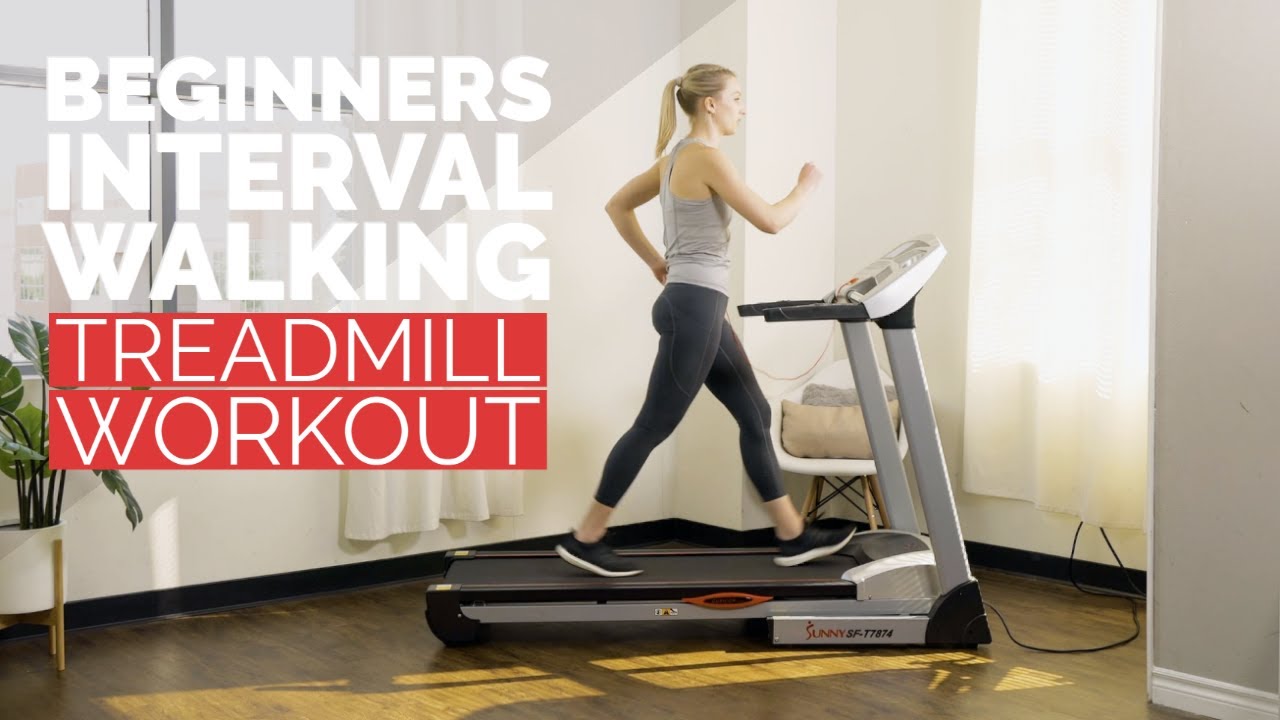
Interval walking is not a magic pill, but it is one of the most practical and effective fitness habits you can build. It turns a simple walk into a structured workout by alternating faster and slower periods. It is low-impact, time-efficient, beginner-friendly, and highly adaptable. It can support heart health, weight management, blood sugar control, mood, and overall longevity.
The viral fitness hack label may have brought attention to interval walking, but the real value is in doing it consistently and intelligently. Start where you are. Warm up. Alternate fast and easy. Cool down. Progress gradually. Combine it with strength training, good nutrition, hydration, and sleep. Track how you feel, not just what the scale says. With patience and consistency, interval walking can become a sustainable part of a healthier life.