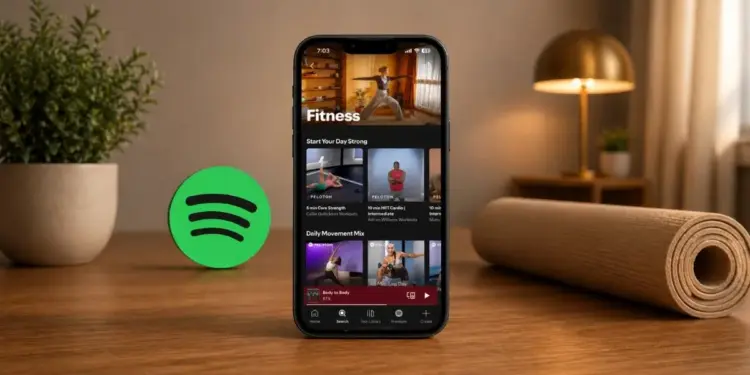
By 2026, the relationship between cities and fitness will no longer be limited to gyms, parks, and sidewalks. A new generation of urban environments is turning physical activity into an integrated, data-rich, and highly personalized experience. Smart city fitness trends are emerging at the intersection of urban planning, artificial intelligence, the Internet of Things, wearable technology, sustainable design, and public health policy. Instead of asking people to go somewhere to exercise, smart cities are beginning to weave movement into the fabric of daily life.
The shift is not simply technological. It is cultural, economic, and environmental. City dwellers increasingly expect their surroundings to support well-being, not just transportation, commerce, and housing. Employers want healthier workforces. Governments want lower healthcare costs and stronger communities. Technology companies want new ecosystems for devices, apps, and services. Fitness brands want to reach people outside traditional gym walls. By 2026, these forces converge into a powerful set of trends that redefine how people train, recover, connect, and stay motivated.
This article explores the most important smart city fitness trends for 2026. It examines the technologies, infrastructure, business models, and social changes that will shape urban wellness. It also looks at the challenges that cities must solve, from privacy and equity to maintenance and digital literacy. Whether you are a fitness enthusiast, urban planner, entrepreneur, policymaker, or investor, understanding these trends will help you navigate the next phase of connected health.
What Is Smart City Fitness?
Smart city fitness refers to a connected ecosystem in which urban infrastructure, digital platforms, wearable devices, and public services work together to encourage and measure physical activity. It includes smart outdoor gyms, interactive running trails, AI-powered coaching apps, sensor-equipped bikes, recovery pods, gamified community challenges, and data dashboards that help cities understand public health in real time.
Unlike traditional fitness, smart city fitness is not confined to a single location or device. A runner might start with a smartwatch, receive route suggestions from a city app, compete in a neighborhood challenge, recharge at a solar-powered fitness station, and later review recovery data from a sleep tracker. The experience is continuous, contextual, and connected.
The core idea is that the city itself becomes a platform for health. Streets, parks, plazas, transit stations, workplaces, and residential buildings all become part of an active lifestyle network. By 2026, this network will be more intelligent, more inclusive, and more deeply embedded in everyday routines.
Why Smart City Fitness Is Accelerating in 2026
Several forces are driving the growth of smart city fitness. Understanding them helps explain why this is more than a passing trend.
A. Urbanization continues to rise, putting pressure on cities to design healthier environments. As more people live in dense areas, public spaces must serve multiple purposes, including exercise, social connection, and mental restoration.
B. Healthcare costs are pushing governments and employers toward prevention. Fitness is no longer just a personal goal; it is a public health strategy. Smart city systems can help identify inactive populations, measure intervention outcomes, and deliver targeted incentives.
C. Remote and hybrid work have changed daily movement patterns. Many people no longer commute, so they need new reasons to walk, cycle, and train. Smart city fitness provides structure, community, and convenience.
D. Technology has become cheaper and more capable. Sensors, 5G and emerging 6G networks, edge computing, AI, and low-power wearables make it possible to collect and analyze fitness data at scale.
E. Sustainability is now a core urban value. Energy-generating gyms, green exercise routes, and active mobility reduce carbon footprints while improving health.
F. Digital natives expect personalized, gamified experiences. They want real-time feedback, social competition, and seamless integration across devices.
The Major Smart City Fitness Trends for 2026

The following trends will define how smart cities support fitness in 2026 and beyond. They are ordered from A to O for clarity.
A. AI Personal Trainers in Public Spaces
Artificial intelligence will move out of the phone and into the city. By 2026, AI personal trainers will be embedded in smart kiosks, mirrored screens, and outdoor fitness stations. A user can approach a connected machine, and the system will recognize their profile, review past workouts, adjust resistance, and provide real-time form correction.
These AI coaches will not replace human trainers entirely. Instead, they will extend coaching into parks, plazas, and community centers where personal training was previously too expensive or inconvenient. They will also support multiple languages, adaptive routines, and injury modifications. For cities, the benefit is scalable public health support. For users, the benefit is affordable, always-available guidance.
B. Wearable and Ambient Sensor Ecosystems
Wearables will become more invisible and more integrated. Smart rings, patches, clothing, shoes, and even earables will monitor heart rate, hydration, gait, stress, and recovery. At the same time, ambient sensors in smart parks and gyms will track air quality, temperature, humidity, noise, and crowd density.
The real breakthrough in 2026 will be interoperability. Instead of isolated apps, users will have a unified fitness identity that follows them across devices and locations. A smart trail might automatically adjust its lighting and music based on the runner’s pace. A connected gym might lower the temperature when sensors detect rising body heat among participants. The city becomes responsive to the body.
C. Smart Outdoor Gyms and Interactive Parks
Outdoor gyms are not new, but smart outdoor gyms are. In 2026, these spaces will include connected resistance machines, solar-powered displays, motion sensors, and augmented reality screens. Users can scan a QR code or tap a wearable to start a guided workout. The equipment records repetitions, power, and range of motion.
Interactive parks will also blend play and fitness. Digital trails can turn a walk into a story-driven adventure. Light projections can create reactive stepping games. Sound installations can guide breathing exercises. These features appeal to children, older adults, and people who dislike conventional gyms. They also encourage repeat visits because the experience changes over time.
D. Active Mobility as Structured Exercise
Smart cities are already investing in bike lanes, pedestrian zones, and micro-mobility. By 2026, these systems will be recognized as legitimate fitness infrastructure. E-bikes will include fitness modes that balance motor assistance with cardiovascular effort. Smart intersections will prioritize cyclists and pedestrians. Transit apps will suggest routes based on calorie burn, air quality, and safety.
Active mobility will also be gamified. Commuters can earn points for choosing walking or cycling. Employers can reward low-carbon commutes. Cities can use anonymized data to identify dangerous routes and improve them. The result is a shift from exercise as a separate activity to movement as a natural part of the day.
E. Gamified Citywide Challenges
Gamification will become more sophisticated in 2026. Instead of simple step counts, cities will host multiplayer challenges that combine physical activity with civic engagement. A neighborhood might compete to unlock a new park upgrade. A workplace might sponsor a virtual race that raises money for local charities. A school district might run a reading-and-running program.
These challenges will use real-time leaderboards, adaptive goals, and social features. They will also reward consistency rather than extreme performance, making them more inclusive. When designed well, gamified challenges can reach people who are not motivated by traditional fitness goals. They turn the city into a playful, supportive arena.
F. Mixed Reality and Virtual Fitness Zones
Mixed reality will find a home in smart city fitness. Dedicated zones in parks, community centers, and malls will offer immersive workouts that blend physical movement with digital environments. Users can climb virtual mountains, practice martial arts with holographic coaches, or join group cycling classes projected onto a cityscape.
Unlike early VR fitness, these experiences will be more comfortable, social, and hygienic. Headsets will be lighter. Shared equipment will be self-cleaning. Sessions will be shorter and more accessible. By 2026, mixed reality will not replace outdoor exercise, but it will provide a compelling option for bad weather, limited space, and specialized training.
G. Hyperlocal Recovery and Sleep Pods
Fitness is not only about training. Recovery will become a visible part of smart city infrastructure. Hyperlocal recovery studios will appear near transit hubs, offices, and residential towers. They will offer compression therapy, red light therapy, meditation pods, and short sleep sessions.
Smart sleep pods will use biometric sensors to personalize temperature, sound, and light. Users can book a 20-minute reset between meetings or after a workout. Cities may install recovery stations in airports, train stations, and public libraries. The trend reflects a broader understanding that recovery is essential for performance, mental health, and injury prevention.
H. Data Privacy and Ethical Fitness Data
As fitness data becomes more integrated, privacy will become a defining issue. In 2026, smart city fitness projects will face intense scrutiny over who owns data, how it is used, and who can access it. Ethical frameworks will be essential.
The best systems will use privacy-by-design principles. Data will be anonymized, aggregated, and stored locally when possible. Users will have clear controls over sharing. Cities will publish transparency reports. Fitness companies will compete on trust, not just features. Without strong privacy protections, public resistance could slow adoption and damage the credibility of smart city fitness.
I. Inclusive and Adaptive Fitness Infrastructure
Smart city fitness must work for everyone, not just young, able-bodied tech enthusiasts. By 2026, inclusive design will be a major differentiator. Adaptive equipment will support wheelchair users, people with limb differences, and older adults. Audio cues will assist visually impaired users. Sign language avatars will guide deaf users. Seating, shade, and accessible pathways will be standard.
Cities will also address cultural barriers. Women-only fitness zones, modest workout spaces, and community-led programming can increase participation. Language diversity will be built into apps and kiosks. The goal is not just equality of access but equity of experience.
J. Sustainable, Energy-Generating Gyms
Sustainability will reshape fitness facilities. Energy-generating equipment will convert human movement into electricity. Solar-powered outdoor gyms will operate off-grid. Rainwater harvesting will support cooling and cleaning. Buildings will use natural ventilation and daylight.
By 2026, some smart gyms will be carbon-negative or carbon-neutral. They will also use circular materials, repair programs, and modular equipment. Users will see their energy contribution in real time, creating a new motivation loop: exercise improves personal health and planetary health at the same time.
K. Micro-Gyms and Pop-Up Fitness
Not everyone wants a large gym. Micro-gyms will appear in unused retail spaces, office lobbies, apartment buildings, and transit stations. They will be small, automated, and accessible 24/7. Pop-up fitness events will use temporary structures, mobile equipment, and public spaces.
Smart scheduling and AI will help these micro-gyms adapt to local demand. A location might offer strength training in the morning, mobility classes at noon, and recovery sessions in the evening. This flexibility makes fitness more convenient and reduces the need for long commutes to a gym.
L. Corporate and Residential Wellness Integration
Employers and property developers will integrate smart fitness into their ecosystems. Offices will use sensor data to encourage movement breaks. Residential towers will offer connected gyms, smart studios, and outdoor activity spaces. Insurance companies may offer discounts for verified healthy behaviors, though privacy safeguards will be critical.
The most successful programs will focus on support rather than surveillance. They will provide personalized recommendations, social challenges, and convenient facilities. When fitness is embedded in the places where people live and work, participation rises.
M. AI Nutrition and Hydration Nudges
Fitness does not exist in isolation. Smart city platforms will increasingly connect exercise with nutrition and hydration. AI will analyze workout intensity, weather, and individual goals to suggest fluid intake and meals. Smart vending machines will offer healthier options. Public fountains will be mapped and monitored for quality.
These nudges will be gentle and personalized. A runner finishing a hot afternoon workout might receive a hydration reminder and a nearby cooling station. A strength trainee might get protein suggestions based on recovery data. The city becomes a supportive coach, not a nagging monitor.
N. Telehealth and Preventive Fitness
Smart city fitness will merge with telehealth. Wearable data can be shared with healthcare providers for preventive care. Exercise referrals can be tracked. Remote physiotherapy can be delivered through connected devices. By 2026, some cities will pilot programs where fitness data helps doctors monitor patients with diabetes, hypertension, or obesity.
This integration must be handled carefully. Clinical validity, informed consent, and data security are essential. When done right, telehealth and fitness data can reduce hospital visits, improve chronic disease management, and lower costs.
O. Community-Led Governance and Co-Design
Finally, the most successful smart city fitness initiatives will be co-designed with residents. Community groups, local athletes, disability advocates, health workers, and young people will help shape priorities. Governance will be transparent. Feedback loops will be continuous.
Technology alone cannot create healthy cities. Trust, culture, and local knowledge matter. By 2026, cities that invest in community-led governance will see higher adoption, better maintenance, and more equitable outcomes.
How Smart City Fitness Systems Work
Behind the trends is a technical and social architecture. Understanding it helps separate real solutions from hype.
A. Sensing layer: wearables, cameras, motion sensors, air quality monitors, and smart equipment collect data.
B. Connectivity layer: 5G, Wi-Fi 6, Bluetooth, and edge networks transmit data securely and quickly.
C. Intelligence layer: AI and analytics turn raw data into personalized recommendations, city insights, and predictive maintenance.
D. Engagement layer: apps, kiosks, screens, rewards, and social platforms motivate users and communities.
E. Governance layer: policies, privacy rules, standards, and partnerships ensure accountability and equity.
When these layers work together, the city can respond to individual needs and population-level trends. It can also adapt over time.
Benefits of Smart City Fitness
The potential benefits are substantial.
A. Public health improvement: more movement, better recovery, and earlier prevention can reduce chronic disease.
B. Economic value: lower healthcare costs, higher productivity, and new business opportunities.
C. Social cohesion: shared challenges and public spaces bring diverse people together.
D. Environmental gains: active mobility and sustainable gyms reduce emissions and resource use.
E. Urban resilience: healthier populations are better prepared for crises and long-term challenges.
Challenges and Risks
Smart city fitness is not without problems.
A. Privacy erosion: fitness data can reveal location, health status, and personal habits.
B. Digital divide: not everyone has smartphones, wearables, or reliable connectivity.
C. Equity gaps: wealthy neighborhoods may get better infrastructure unless policies intervene.
D. Maintenance costs: sensors, screens, and connected equipment require ongoing support.
E. Interoperability: fragmented systems can frustrate users and limit scale.
F. Hype and poor design: technology for its own sake can waste money and reduce trust.
Addressing these challenges requires regulation, investment, and community involvement.
What to Expect by 2026
By 2026, smart city fitness will feel less like a novelty and more like normal infrastructure. Expect to see more connected parks, AI-assisted outdoor gyms, active mobility incentives, recovery pods, and privacy controls. Expect fitness brands to partner with cities and real estate developers. Expect health insurers and employers to play larger roles. Expect users to demand transparency and inclusivity.
The most successful cities will not simply install sensors. They will design experiences that make movement easy, enjoyable, and socially rewarding. They will measure outcomes, not just activity. They will protect data and ensure benefits reach all neighborhoods.
Conclusion: The City as a Health Platform

Smart city fitness trends for 2026 point toward a future where urban life actively supports human health. AI coaches, wearable ecosystems, interactive parks, active mobility, gamified challenges, recovery spaces, and sustainable gyms will converge into a seamless wellness environment. The city will not just host fitness; it will participate in it.
This transformation offers enormous opportunities for individuals, communities, businesses, and governments. It also demands responsibility. Privacy, equity, accessibility, and sustainability must be built in from the start. If cities get this right, the result will be more than smarter workouts. It will be healthier, more connected, and more resilient urban life.