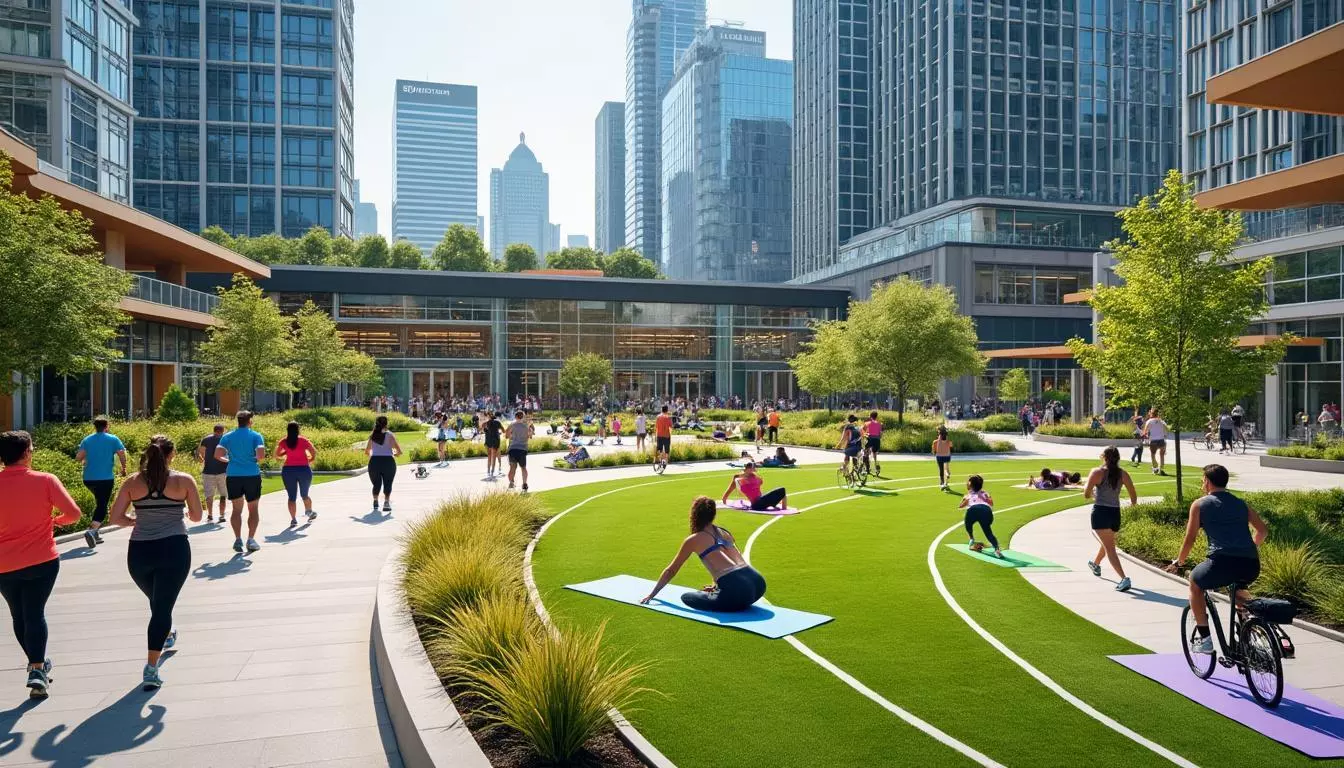
The Fitness City Social Wellness Shift is reshaping how urban communities think about movement, belonging, and health. It is not merely a trend in gyms or a new name for public parks. It is a broad cultural and infrastructural change in which cities, fitness brands, employers, and residents collaborate to make physical activity a shared social experience. Instead of treating exercise as a solitary task, the shift treats it as a pathway to connection, resilience, and neighborhood vitality. This article explores what the shift means, why it matters, how cities are implementing it, and what challenges must be addressed.
What the Shift Means
A fitness city is an urban environment designed to make active living easy, enjoyable, and socially rewarding. A social wellness shift is the move from isolated self-improvement to community-centered wellbeing. When combined, these ideas produce a new urban model: streets, parks, gyms, workplaces, and digital platforms that encourage people to move together. The goal is not only lower body fat or faster running times. The goal is stronger social ties, better mental health, more inclusive public spaces, and a more resilient local economy.
This shift has emerged because several forces are converging. Remote work has weakened traditional office bonds. Loneliness and anxiety have become public health concerns. Fitness technology has matured beyond step counting. Real estate developers are looking for experiences that draw people back to physical locations. Local governments are seeking low-cost prevention strategies. Fitness city social wellness is the intersection where all these forces meet.
Why the Shift Is Happening Now
A. Public health pressure is rising. Many cities face high rates of chronic disease, sedentary behavior, and mental health challenges. Prevention is cheaper than treatment, and community-based movement is one of the most scalable prevention tools.
B. Remote and hybrid work has changed daily movement. People no longer walk to transit or climb office stairs as often. Without intentional design, work-from-home life can become isolated and inactive.
C. Digital fitness has created new expectations. People are used to on-demand classes, wearables, and social challenges. They now want those tools to connect them with real places and real people.
D. Real estate and retail need foot traffic. Gyms, studios, cafes, and wellness spaces are becoming anchors in mixed-use developments. They create repeat visits and social buzz.
E. Governments are embracing wellness economics. Cities compete for talent and investment by offering livable, walkable, socially rich environments. Fitness and wellness are part of that brand.
F. The loneliness economy is shifting. Consumers increasingly pay for belonging, not just services. Run clubs, yoga communities, and group training programs sell connection as much as exercise.
Core Pillars of a Fitness City Social Wellness Shift
A. Accessible movement. Safe sidewalks, bike lanes, trails, and public exercise equipment must be available to all ages and abilities.
B. Social connection. Programs should create repeated, low-pressure interactions. A weekly walking group can be more powerful than a solo gym session.
C. Mental resilience. Movement should be framed as a tool for mood, stress relief, and sleep, not only appearance.
D. Inclusive design. Women, older adults, children, disabled residents, and lower-income communities must be considered from the start.
E. Measurable community impact. Cities and organizations should track participation, social trust, and public health outcomes, not just membership sales.
F. Sustainable habits. The shift favors routines that fit daily life, such as walking meetings, lunchtime clubs, and bike commutes.
G. Cross-sector partnership. Gyms, schools, clinics, parks departments, employers, and nonprofits must work together.
How Cities Are Redesigning for Movement and Connection
A. Complete streets. Roads are being redesigned with wider sidewalks, protected bike lanes, and safer crossings. These changes make active travel a realistic daily choice.
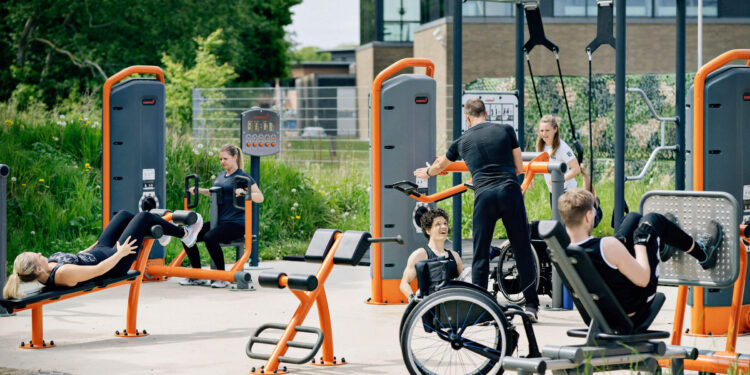
B. Pocket parks and plaza gyms. Small unused lots are becoming outdoor fitness spaces with pull-up bars, balance beams, and shaded seating.
C. Mixed-use fitness districts. Developers are clustering gyms, healthy cafes, physiotherapy clinics, and coworking spaces. This creates a wellness ecosystem within walking distance.
D. Shaded walking loops. Hot climates are adding trees, misting stations, and evening lighting so residents can walk comfortably year-round.
E. Public fitness zones. Some cities install free outdoor gyms in parks and housing estates. When paired with coaches or volunteers, usage rises sharply.
F. Transit-integrated activity. Stairs, escalators, and station designs can nudge people toward movement. Bike racks on buses and trains expand access.
G. School and community partnerships. Opening school tracks and gyms after hours can multiply available spaces without building new facilities.
The Role of Gyms, Studios, and Fitness Brands
A. Community programming. Gyms are hosting run clubs, beginner bootcamps, and social nights. These events turn members into neighbors.
B. Hybrid memberships. Digital access plus in-person community creates flexibility and belonging. People can train at home but still join weekend meetups.
C. Social clubs within clubs. Small groups for new parents, older adults, or shift workers help people find peers who understand their schedules.
D. Recovery and mindfulness. Saunas, stretching zones, breathwork, and meditation rooms support social wellness, not just performance.
E. Local partnerships. Gyms can collaborate with cafes, clinics, and charities to offer discounts, health screenings, and volunteer days.
F. Inclusive pricing. Sliding scales, pay-what-you-can classes, and sponsored memberships reduce economic exclusion.
G. Outdoor pop-ups. Temporary workouts in parks and plazas introduce fitness to people who may never enter a traditional gym.
Technology, Data, and the Social Layer

A. Wearables and challenges. Step challenges and heart-rate competitions can motivate, but they should not shame less active participants.
B. Community apps. Neighborhood fitness apps can organize pick-up games, walking buddies, and skill-sharing sessions.
C. Smart city sensors. Air quality, heat, and crowd data can help cities recommend safe routes and times for activity.
D. Privacy safeguards. Data collection must be transparent and minimal. People should control what is shared and with whom.
E. AI coaching. Personalized plans can support beginners, but human connection remains essential for retention.
F. Digital inclusion. Public libraries, community centers, and low-cost devices can prevent a digital divide in wellness access.
G. Hybrid accountability. Online check-ins can lead to offline meetups. The most successful programs blend both.
Social Wellness Benefits That Matter
A. Reduced loneliness. Group movement creates casual contact that can grow into friendship and support networks.
B. Stronger social capital. When people know their neighbors, neighborhoods become safer and more cooperative.
C. Better mental health. Exercise and social interaction together can improve mood, reduce anxiety, and buffer stress.
D. Youth development. Sports and activity programs give young people mentors, structure, and a sense of belonging.
E. Aging in place. Older adults who walk, stretch, and socialize locally maintain independence longer.
F. Economic vitality. Active neighborhoods attract visitors, support local business, and reduce healthcare costs over time.
G. Civic pride. Clean, busy, well-used public spaces signal that a city cares about its people.
Challenges and Criticisms
A. Gentrification. New fitness amenities can raise property values and displace the very residents they should serve.
B. Cost exclusion. Boutique studios and premium wellness services can deepen inequality if affordable options are ignored.
C. Surveillance concerns. Tracking movement and health data can threaten privacy, especially in marginalized communities.
D. Metric obsession. Overemphasis on steps, calories, or weight can harm people with eating disorders or chronic conditions.
E. Infrastructure gaps. Many cities lack basic sidewalks, lighting, or safe crossings, making active living impossible for some.
F. Cultural resistance. Some communities may distrust outdoor gyms, group exercise, or government wellness campaigns.
G. Maintenance neglect. Outdoor equipment and public spaces degrade quickly without dedicated funding and care.
H. Program fragmentation. Too many uncoordinated initiatives can confuse residents and waste resources.
How to Build a Fitness City Social Wellness Shift
A. Audit the current landscape. Map parks, gyms, sidewalks, bike lanes, clinics, and community centers. Identify gaps and assets.
B. Co-design with residents. Ask people what they need. Do not assume that a new gym solves every problem.
C. Fund equitably. Prioritize low-income neighborhoods, disability access, and multilingual outreach.
D. Pilot small projects. Test pop-up fitness zones, walking groups, and bike buses before large investments.
E. Measure what matters. Track participation, social connection, perceived safety, and health outcomes over time.
F. Scale successful models. Expand programs that show strong community buy-in and sustainable operations.
G. Communicate clearly. Use simple messages, local leaders, and trusted messengers. Avoid shame-based language.
H. Sustain partnerships. Create formal agreements among city agencies, nonprofits, gyms, schools, and employers.
I. Train local leaders. Resident coaches and volunteers can keep programs alive long after initial funding ends.
J. Review and adapt. Social wellness needs change with seasons, demographics, and economic conditions.
What Individuals Can Do
A. Join a local club. Run groups, walking circles, and recreational leagues are low-pressure ways to meet people.
B. Walk or cycle for errands. Small daily choices add up and make streets feel more alive.
C. Volunteer as a leader. Lead a stretch session, guide a walk, or help maintain a park.
D. Advocate for safer streets. Attend council meetings and support pedestrian, bicycle, and transit improvements.
E. Set digital boundaries. Use fitness apps as tools, not judges. Prioritize real-world connection.
F. Invite inclusively. Ask neighbors, coworkers, and friends who may feel excluded from traditional fitness spaces.
G. Celebrate consistency. Reward showing up, not just performance. This keeps communities welcoming.
The Future of Fitness City Social Wellness
The next decade will likely bring deeper integration between urban planning and public health. Cities may appoint wellness officers, fund social prescribing, and treat gyms and parks as essential infrastructure. Fitness brands will compete on community, not just equipment. Employers will invest in neighborhood wellness because it supports productivity and retention. Technology will become more invisible and more ethical. The most successful cities will be those that make movement easy, social, and joyful for everyone.
However, the shift will not happen automatically. Without equity, it can become another luxury amenity for the wealthy. Without good design, it can create spaces that look active but exclude disabled residents, older adults, and children. Without trust, data-driven wellness can feel invasive. The promise of the fitness city social wellness shift depends on deliberate choices: who is invited, who is heard, who benefits, and who is protected.
Conclusion

The Fitness City Social Wellness Shift is more than a fitness trend. It is a rethinking of how cities support human health through connection. It recognizes that a walk with a friend, a community run, a park workout, or a group stretch class can do more than improve fitness. These activities build trust, reduce isolation, and strengthen the social fabric of urban life. For cities, gyms, employers, and residents, the opportunity is clear. Design for movement. Design for belonging. Design for everyone. When fitness becomes social, wellness becomes a shared civic project rather than a private pursuit.