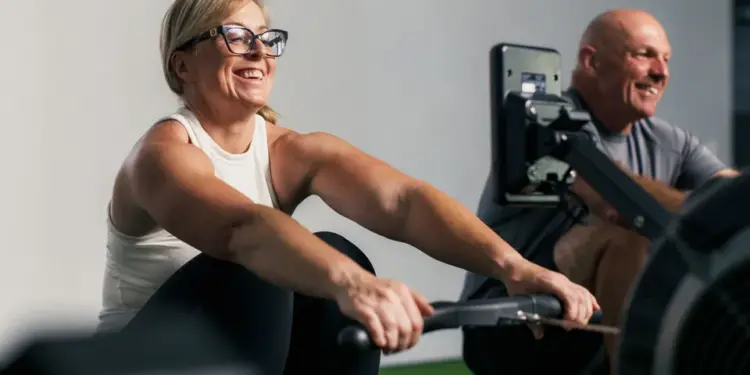
In 2026, urban fitness is no longer defined by a single gym membership or a rigid routine. It is a lifestyle shaped by dense neighborhoods, hybrid work, smart technology, changing climate patterns, and a growing desire for movement that fits real life. The modern city can be a powerful training partner if you know how to use it. From stairwells and waterfront paths to rooftop circuits and AI-guided recovery, the best urban fitness plan is one that blends convenience, community, and measurable progress.
This guide explores how to train effectively in the city in 2026. It covers planning, equipment, nutrition, recovery, safety, budgeting, travel, and mental health. Whether you live in a megacity, a mid-sized town, or a rapidly growing suburb, the principles remain useful: move often, train with purpose, recover with intention, and let the urban environment work for you.
The New Urban Fitness Landscape
The fitness industry has shifted. People still go to gyms, but many now treat the entire city as their training ground. The rise of hybrid work means fewer fixed commutes and more flexible schedules. At the same time, cities are investing in bike lanes, pedestrian zones, outdoor gyms, and public recreation spaces. Wearable devices and AI coaching have become more affordable, making personalized training accessible to more people.
A. The City as Gym
Every city contains hidden training tools. Stairs become conditioning equipment. Benches become plyometric platforms. Ledges become balance tools. Parks become strength and mobility studios. The key is to see the environment differently. A commute can become a warm-up. A lunch break can become a 20-minute circuit. A walk to the store can become a recovery session.
B. Data-Driven Personalization
In 2026, training is increasingly guided by data. Smartwatches, rings, and patches track heart rate variability, sleep quality, temperature, and movement patterns. AI coaches use this information to adjust workouts in real time. If your recovery score is low, the plan might shift from intense intervals to mobility and Zone 2 work. If your sleep is strong and stress is low, the plan might include a harder strength session. The goal is not to obsess over numbers but to make better daily decisions.
C. Time-Efficient Training
Urban life is busy. The most effective routines are often short and focused. A 25-minute session with a clear goal can outperform a 90-minute session filled with distractions. Supersets, EMOM structures, circuit training, and micro-workouts throughout the day are now common. Many people split training into morning mobility, lunchtime strength, and evening walking. This approach keeps energy stable and makes fitness easier to sustain.
D. Social Accountability
Isolation kills consistency. In 2026, urban fitness is highly social. Run clubs, padel leagues, climbing crews, and park workout groups are thriving. Social training offers accountability, enjoyment, and friendly competition. Even a weekly group walk can improve adherence. The best city athletes often belong to at least one community that expects them to show up.
E. Sustainability and Recovery
Fitness is no longer only about intensity. Recovery, sustainability, and longevity matter. Urban athletes are paying more attention to sleep, breathwork, mobility, and low-impact cardio. They are also choosing active transportation—walking, cycling, and public transit—to accumulate movement without formal workouts. This creates a more sustainable model for long-term health.
How to Build Your Weekly Urban Plan
A strong weekly plan balances strength, cardio, mobility, recovery, and fun. The exact schedule depends on your goals, but the following template works well for many city dwellers in 2026.
A. Monday: Mobility and Zone 2
Start the week with gentle movement. Spend 10 minutes on mobility for hips, shoulders, and ankles. Then do 30 to 45 minutes of Zone 2 cardio. This could be brisk walking, cycling, or using a cardio machine. Zone 2 builds aerobic base without excessive fatigue. It also supports recovery from the weekend.
B. Tuesday: Strength in Small Spaces
Use a park, apartment gym, or living room. Focus on fundamental patterns: squat, hinge, push, pull, carry, and brace. A sample circuit: goblet squats, push-ups, split squats, rows with resistance bands, plank variations, and farmer carries. Perform three to four rounds. Keep rest short but controlled. The goal is quality movement, not exhaustion.
C. Wednesday: Active Commute Intervals
Turn your commute into a workout. If you walk or cycle, add intervals. Walk fast for two minutes, then easy for two minutes. Repeat six to eight times. If you take transit, get off one stop earlier and walk briskly. If you drive, park farther away and add a stair climb. These small choices accumulate into meaningful fitness.
D. Thursday: Park Strength Circuit
Find an outdoor gym or a quiet park. Use benches, bars, and open space. Perform a circuit: step-ups, dips, inverted rows, lunges, bear crawls, and hollow holds. Rest 60 seconds between rounds. Complete four rounds. This session builds strength, balance, and work capacity while exposing you to fresh air and sunlight.
E. Friday: Social Sweat
Join a group workout, run club, padel match, or dance class. The activity matters less than the social connection. You will push harder when others are around, and you will look forward to the session. Social fitness is one of the strongest predictors of long-term adherence.
F. Saturday: Long Urban Adventure
Use the city as a playground. Plan a long walk, hike, cycle, or run that explores new neighborhoods. Aim for 60 to 120 minutes of steady movement. Bring water, snacks, and a light layer. This session builds endurance and mental resilience while making fitness feel like exploration.
G. Sunday: Recovery and Reset
Recovery is training. Do light stretching, foam rolling, breathwork, or a gentle walk. Prepare meals, plan the week, and prioritize sleep. Avoid intense training unless you feel fully recovered. A well-planned rest day improves performance and reduces injury risk.
City Features That Support Fitness
Not all urban environments are equally fitness-friendly, but most cities offer useful resources. Knowing what to look for can transform your routine.
A. Stairscapes
Stairs are free, effective, and everywhere. Find a stadium, bridge, or building with a safe stairwell. Stair intervals build leg strength, power, and cardiovascular capacity. Start with five rounds, then progress. Always warm up and descend carefully.
B. Riverside and Canal Paths
Waterfront paths are ideal for running, cycling, and walking. They are often flatter, scenic, and less polluted than main roads. Use them for long steady sessions, intervals, or recovery walks. Early morning is usually quieter and cooler.
C. Pocket Parks
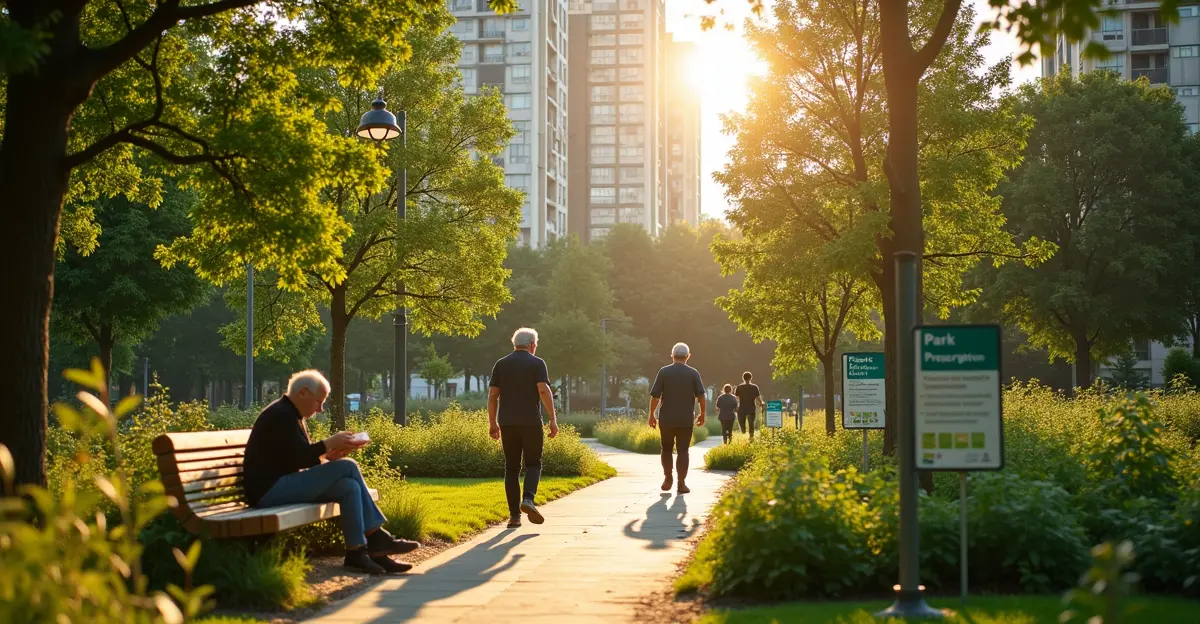
Small parks can host effective workouts. Look for benches, pull-up bars, open grass, and shade. These spaces are perfect for bodyweight circuits, mobility, and short high-intensity sessions. They also provide a mental break from concrete and traffic.
D. Rooftops
Some residential and office buildings offer rooftop access. A rooftop can be a quiet place for yoga, mobility, or bodyweight training. Check building rules and safety. Avoid training in extreme heat, wind, or poor air quality.
E. Transit Plazas
Large transit stations often have open plazas and stairs. These can be used for walking meetings, lunges, step-ups, and short circuits. Be mindful of crowds and security rules. Early mornings and weekends are usually best.
F. Indoor Micro-Gyms
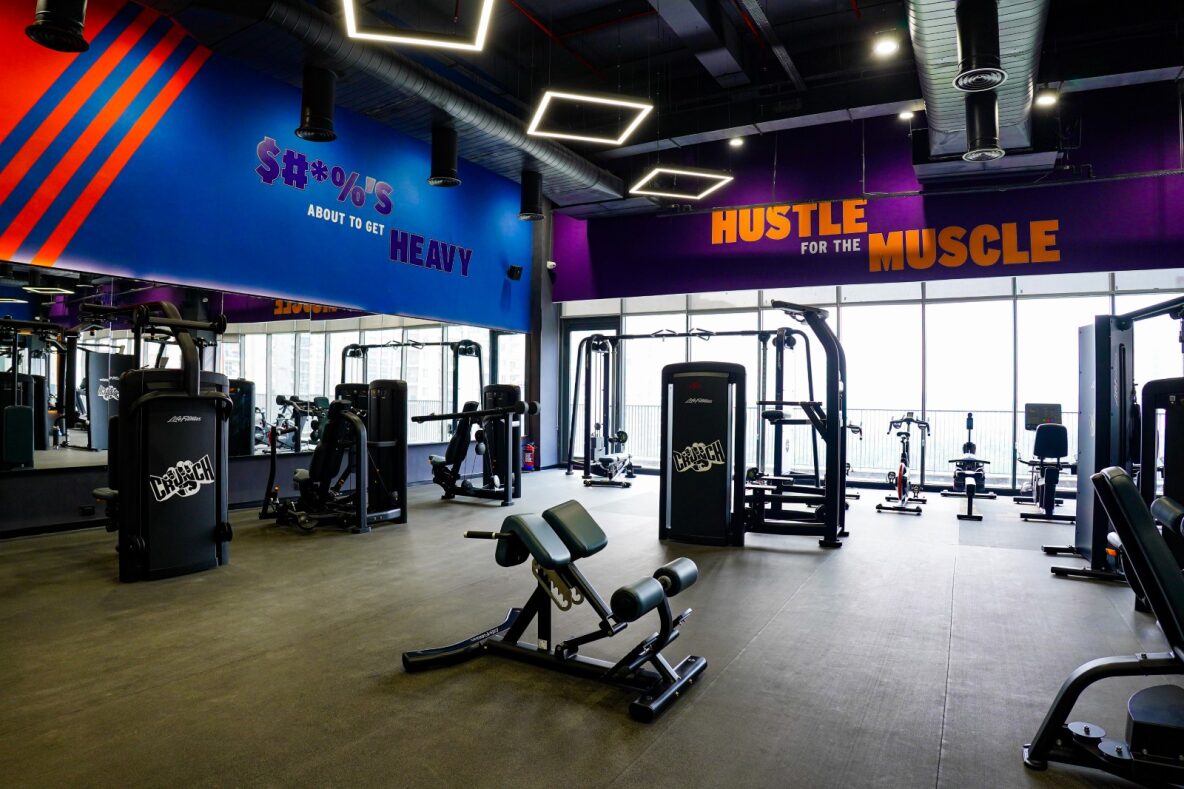
Micro-gyms are small, automated fitness spaces located in apartments, offices, and retail centers. They typically include cardio machines, dumbbells, and functional trainers. They are convenient for short sessions and bad weather. Book ahead if capacity is limited.
G. Community Centers
Public recreation centers remain some of the best value in urban fitness. They offer pools, courts, weights, classes, and showers. Many provide discounted memberships for residents. If you travel often, community centers can be a reliable option.
Essential Gear for 2026
You do not need much equipment, but the right tools improve consistency and results.
A. Wearables
A smartwatch or fitness ring can track steps, heart rate, sleep, and recovery. Use it to guide training, not dictate it. Data is useful when it helps you make better choices.
B. Smart Shoes
Running and training shoes are becoming more specialized. Some models adapt cushioning to surface and fatigue. Choose shoes that fit your foot, gait, and primary activity. Replace them when cushioning wears out.
C. Resistance Bands
Bands are portable, affordable, and joint-friendly. They are excellent for warm-ups, glute activation, upper-body pulling, and mobility. A set of light, medium, and heavy bands covers most needs.
D. Suspension Trainer
A suspension trainer uses body weight and gravity to build strength. It attaches to trees, bars, or doors. It is ideal for travel and small spaces. Exercises include rows, push-ups, split squats, and hamstring curls.
E. Adjustable Dumbbells
Adjustable dumbbells save space and provide progressive resistance. They are perfect for apartment workouts. If you lack space, choose a compact set or use resistance bands instead.
F. Air Quality Monitor
Urban air quality varies by time and location. A small monitor or app can help you choose when and where to train. Avoid high-traffic roads during rush hour. Exercise indoors on days with poor air quality.
G. Hydration and Fuel
Carry a reusable water bottle. For longer sessions, bring electrolytes and a small snack. Proper hydration supports performance, recovery, and mental clarity. In hot cities, freeze part of your water before heading out.
Nutrition and Hydration in Urban Heat
City temperatures can be intense, especially with heat islands and humidity. Nutrition and hydration must adapt.
Eat a balanced diet with protein, fiber, healthy fats, and carbohydrates. Time larger meals around training. A light snack before exercise can improve energy. After training, combine protein and carbohydrates to support recovery.
Hydration is critical. Drink water throughout the day, not only during workouts. Add electrolytes if you sweat heavily or train longer than 60 minutes. Avoid excessive caffeine and alcohol, especially in heat. Monitor urine color as a simple hydration check.
In hot urban environments, train early or late. Use shade, fountains, and air-conditioned spaces. Wear breathable clothing. Acclimatize gradually. If you feel dizzy, nauseous, or confused, stop immediately and seek cool shelter.
Recovery, Sleep, and Stress
Recovery is where adaptation happens. Without it, training becomes breakdown.
Sleep is the foundation. Aim for seven to nine hours. Keep a consistent schedule. Reduce screen time before bed. Keep your room cool, dark, and quiet. If city noise is an issue, use earplugs or white noise.
Stress management matters. Urban life can be overstimulating. Breathwork, meditation, walking, and time in nature lower stress. A calm nervous system recovers faster and performs better.
Mobility and soft tissue work keep joints healthy. Spend 10 minutes daily on hips, shoulders, ankles, and spine. Foam rolling and massage guns can help, but movement quality is more important.
Technology and Coaching
AI coaching is now mainstream. Apps can generate workouts, adjust intensity, and provide feedback. They can also connect you with human coaches for form checks and accountability. The best approach is hybrid: use technology for convenience and data, but rely on human expertise for strategy and nuance.
Virtual classes remain popular. They offer variety and community without commuting. Live sessions add accountability. On-demand libraries let you train whenever it fits your schedule.
Wearables can track recovery, but do not let them create anxiety. If your readiness score is low, choose lighter movement. If it is high, train hard. The goal is to listen to your body, not worship the algorithm.
Safety, Etiquette, and Legal Considerations
Urban training requires awareness. Follow local rules. Some parks prohibit certain equipment or activities. Respect shared spaces. Yield to pedestrians and cyclists. Keep music at a reasonable volume.
Train with visibility. Wear reflective gear in low light. Carry identification and a phone. Tell someone where you are going. Avoid isolated areas, especially at night.
Be mindful of traffic. Do not run against red lights or weave through cars. Use bike lanes correctly. Watch for opening doors, potholes, and construction.
In public spaces, be considerate. Do not block paths. Clean up after yourself. Keep group workouts organized and permitted if required. Good etiquette keeps urban fitness accessible for everyone.
Budget Strategies for City Fitness
Fitness does not have to be expensive. You can build a strong routine with minimal spending.
A. Use Free Infrastructure
Parks, stairs, waterfronts, and public courts are free. Plan workouts around these spaces. They often provide better air and scenery than indoor gyms.
B. Buy Multi-Use Equipment
Resistance bands, a jump rope, and a suspension trainer cover many workouts. They are portable and durable. Add adjustable dumbbells if space allows.
C. Choose Off-Peak Memberships
Many gyms offer off-peak or digital-only memberships. Community centers and university facilities may be cheaper. Ask about resident discounts.
D. Join Community Groups
Run clubs, hiking groups, and park workout crews are often free or low-cost. They provide coaching, motivation, and social connection.
Urban Fitness While Traveling
Travel disrupts routines, but it does not have to ruin fitness. Pack resistance bands and a jump rope. Choose hotels with gyms or nearby parks. Walk and cycle to explore. Use jet lag as a cue for light movement and sunlight exposure.
Plan short workouts: 15 minutes of mobility, 20 minutes of bodyweight strength, or a brisk walk. Consistency matters more than intensity. Even a 10-minute session keeps momentum alive.
Mental Health and Long-Term Consistency

Urban fitness supports mental health. Movement reduces anxiety, improves mood, and boosts cognitive function. Outdoor training adds sunlight, fresh air, and connection with nature. Social workouts reduce loneliness.
Set process goals, not only outcome goals. Focus on showing up, moving well, and recovering. Celebrate small wins. Be flexible when life changes. The best routine is the one you can maintain for years.
Conclusion
Urban fitness in 2026 is flexible, data-informed, and deeply connected to the city itself. You can train in parks, on stairs, in micro-gyms, or along waterfronts. You can use AI coaching, wearables, and community groups to stay consistent. You can adapt nutrition, hydration, and recovery to urban heat and stress. Most importantly, you can build a routine that fits your real life.
Start small. Choose one weekly plan. Use the city as your gym. Track what matters. Recover with intention. Train with others when possible. Over time, these choices compound into strength, endurance, and resilience. The city is not an obstacle to fitness it is one of the best training partners you will ever have.