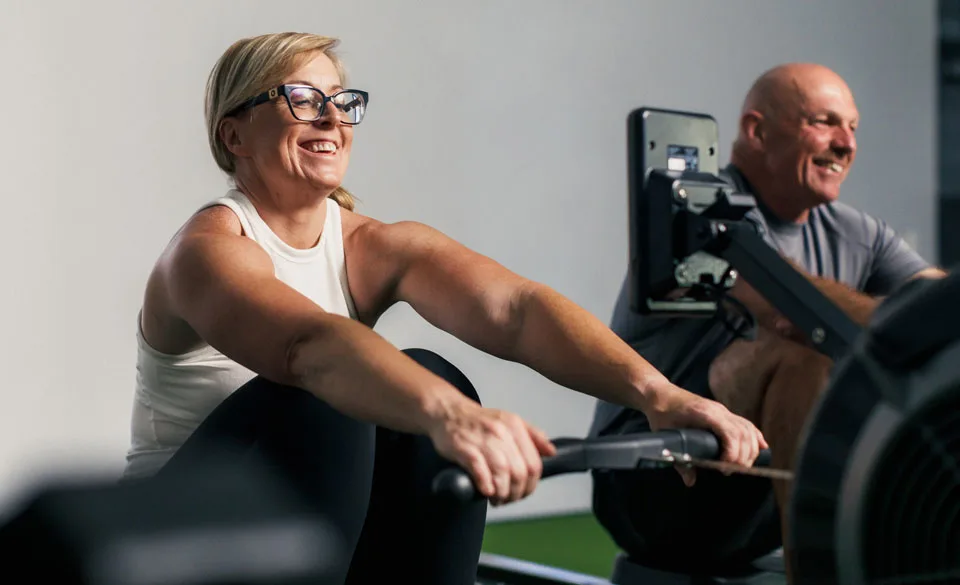
In modern cities, fitness no longer ends when the last repetition is finished. A growing movement known as the city fitness recovery trend is reshaping how urban dwellers train, rest, and rebuild their bodies. From cold plunges in boutique studios to compression boots in apartments, recovery has become the new frontier of wellness. It is no longer a luxury reserved for professional athletes. It is now a lifestyle choice for runners, lifters, cyclists, desk workers, parents, and anyone who wants to feel better in a fast-paced metropolitan environment.
The city fitness recovery trend is powered by a simple realization: the body does not improve during training alone. It improves during recovery. In dense urban settings, where stress, noise, pollution, long commutes, and screen time constantly challenge the nervous system, recovery is both more difficult and more necessary. This article explores why this trend is booming, what it includes, how to build a practical recovery routine, and what the future may hold.
Why the City Fitness Recovery Trend Is Booming
Cities are engines of opportunity, but they are also engines of stress. Traffic, deadlines, artificial light, social pressure, and cramped living spaces can keep the body in a low-grade fight-or-flight state. When people add high-intensity interval training, marathon training, or heavy strength work to that mix, recovery becomes the missing link.
Several forces have accelerated the city fitness recovery trend:
A. The rise of boutique fitness studios that encourage intense, community-based workouts.
B. The growth of wearable technology that tracks heart rate variability, sleep, and recovery scores.
C. The post-pandemic focus on health, immunity, and mental well-being.
D. The influence of social media, where recovery rituals are shared as aspirational content.
E. The expansion of wellness real estate, including gyms, spas, saunas, and recovery cafés.
F. A cultural shift away from “no pain, no gain” toward “train hard, recover harder.”
In many cities, recovery services are now located next to coffee shops and coworking spaces. You can finish a spin class, walk two minutes to a recovery studio, sit in an infrared sauna, use a percussion massage gun, and then drink an electrolyte beverage while checking emails. This convenience is a major reason the trend continues to grow. Recovery has become part of the urban routine, not a separate errand.
What Counts as Fitness Recovery?
Fitness recovery refers to the practices and conditions that help the body repair tissue, replenish energy, calm the nervous system, and adapt to training stress. It can be active or passive.
Active recovery includes low-intensity movement such as walking, swimming, yoga, or easy cycling. Passive recovery includes sleep, massage, sauna, cold exposure, compression, and proper nutrition. Mental recovery, though often overlooked, is equally important. Stress hormones can slow physical repair, so relaxation is not optional.
The city fitness recovery trend blends old wisdom with new technology. Ancient practices like heat therapy and breathwork now sit alongside modern tools like red light therapy, percussive devices, and AI-powered recovery coaches. The result is a personalized ecosystem that helps urban athletes stay consistent despite busy schedules.
Core Pillars of Urban Recovery
To understand the trend, it helps to break it down into core pillars. These pillars work best when combined, not when used as isolated gimmicks.
A. Active Recovery and Mobility
Active recovery increases blood flow without adding significant stress. A twenty-minute walk, a gentle yoga flow, or a light swim can reduce soreness and improve circulation. Mobility work, such as hip openers, thoracic rotations, and ankle drills, helps counteract the sitting that defines many urban jobs. In cities, where people spend hours at desks, on trains, and in cars, mobility is not just for athletes. It is survival.
B. Thermal Therapy: Heat and Cold
Saunas, steam rooms, hot baths, cold plunges, and contrast therapy are central to the city fitness recovery trend. Heat can relax muscles, increase blood flow, and promote a sense of calm. Cold exposure may reduce inflammation, boost alertness, and improve mood. Contrast therapy, which alternates heat and cold, is popular in recovery studios because it can feel invigorating and socially engaging. However, it is important to approach extreme temperatures with caution, especially if you have cardiovascular conditions.
C. Compression, Percussion, and Electrical Stimulation
Compression boots, massage guns, foam rollers, and electrical muscle stimulation devices are now common in city apartments. Compression therapy uses air pressure to mimic massage and may help reduce swelling and soreness. Percussion therapy delivers rapid pulses to specific muscle groups. These tools are convenient, but they are not magic. They support recovery best when paired with sleep, nutrition, and smart training.
D. Sleep and Circadian Health
Sleep is the most powerful recovery tool available. During deep sleep, the body releases growth hormone, repairs tissue, and consolidates memory. In cities, sleep is under attack from noise, light pollution, late-night screens, and irregular schedules. The recovery trend has made sleep optimization more popular, including blackout curtains, white noise machines, cooling mattresses, and wearable sleep trackers. A city dweller who protects sleep will often outperform one who only invests in expensive recovery gadgets.
E. Nutrition and Hydration
Recovery requires raw materials. Protein helps repair muscle. Carbohydrates replenish glycogen. Healthy fats support hormones. Micronutrients like magnesium, potassium, and sodium support nerve and muscle function. Hydration is especially important in urban environments where air conditioning, caffeine, and alcohol can dehydrate the body. Many recovery cafés now offer protein smoothies, electrolyte drinks, and anti-inflammatory meals designed for post-workout needs.
F. Breathwork, Mindfulness, and Social Recovery
The nervous system controls recovery. If you are mentally stressed, your body remains in a sympathetic state, which can impair digestion, sleep, and tissue repair. Breathwork, meditation, journaling, and time in nature can activate the parasympathetic “rest and digest” response. Social recovery is another key element. Training with friends, walking with a partner, or simply laughing with others can reduce stress. In cities, loneliness is a real health risk, so community-based recovery is powerful.
G. Data-Driven Recovery
Wearables and apps now provide recovery scores, sleep stages, heart rate variability, and training load. This data can help people make better decisions. For example, if your heart rate variability is low and your resting heart rate is high, you might choose a mobility session instead of a heavy workout. The city fitness recovery trend is increasingly personalized, with algorithms suggesting when to push and when to rest.
The Rise of Recovery Studios
Recovery studios are one of the most visible signs of the trend. These spaces offer a menu of services such as infrared sauna, cold plunge, cryotherapy, compression therapy, lymphatic drainage, assisted stretching, IV drips, and massage. Some studios operate like gyms, with monthly memberships. Others function as drop-in spas for busy professionals.
In cities like New York, London, Singapore, and Jakarta, recovery studios are often designed as social spaces. They have dim lighting, calming music, and lounges where members can read or work. This design reflects a broader shift: recovery is not just physical. It is also emotional and social. People want a place to slow down, disconnect from notifications, and feel part of a community.
The business model is also evolving. Some fitness chains now include recovery zones to increase member retention. Gyms add saunas, cold plunges, and massage chairs. Hotels offer recovery amenities to business travelers. Even office buildings are installing wellness rooms with stretching areas and meditation pods. The city fitness recovery trend is becoming embedded in urban infrastructure.
Technology and the Future of Recovery
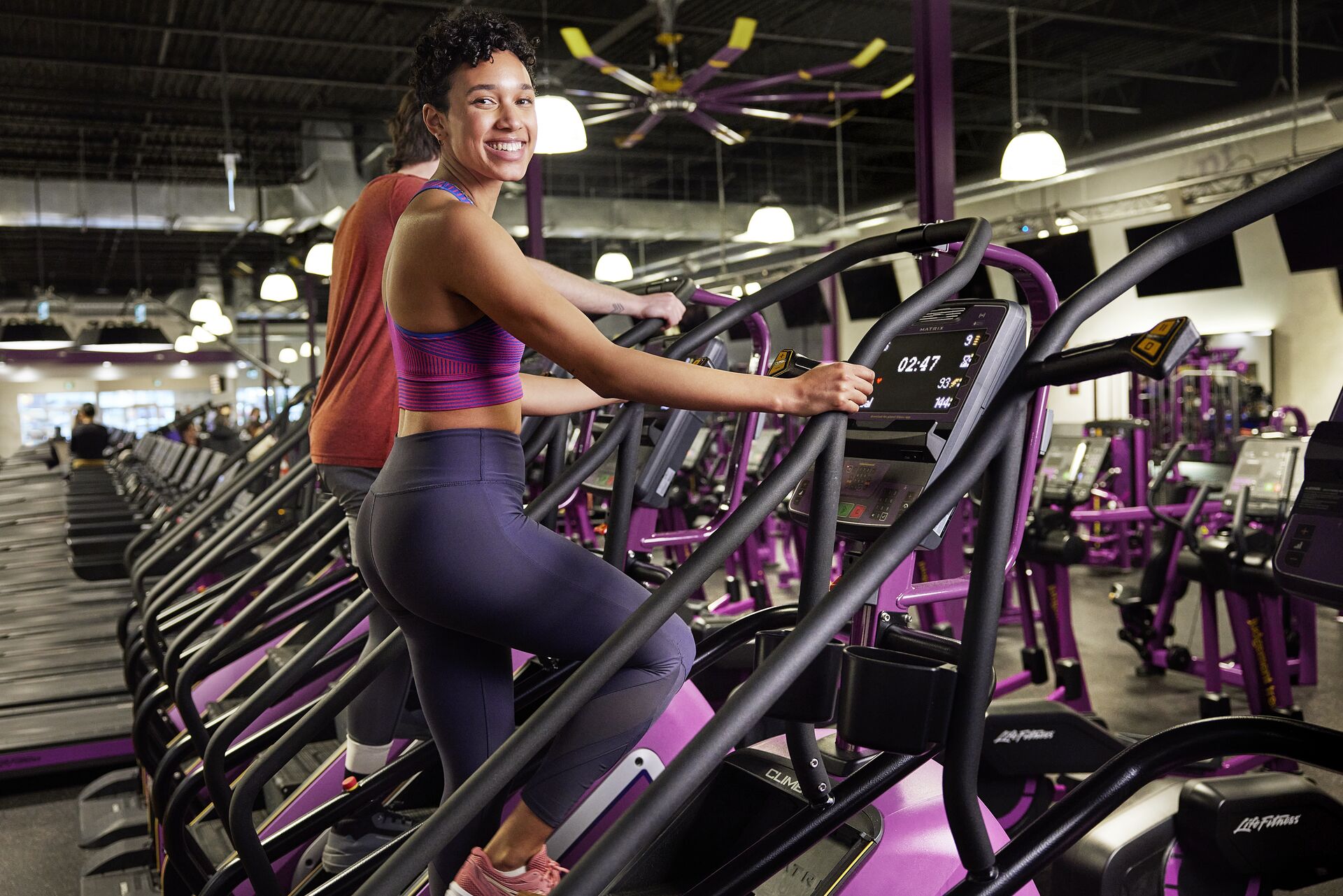
Technology will continue to shape the trend. Artificial intelligence may soon analyze sleep, nutrition, stress, and workout data to create daily recovery prescriptions. Red light therapy, pulsed electromagnetic field therapy, and neurotech devices may become more accessible. Virtual reality could guide users through calming breathwork or immersive nature scenes. At the same time, privacy and data security will become important concerns. Recovery data is sensitive, and users will want to know how it is stored and used.
Another future direction is sustainability. Recovery studios may adopt energy-efficient heating and cooling systems, eco-friendly materials, and water-saving practices. Urban parks, community gardens, and public fitness areas may become part of the recovery ecosystem. The trend could democratize recovery by making basic tools available outside expensive studios.
Designing a City Recovery Routine
A successful recovery routine does not need to be complicated or expensive. It needs to be consistent and adapted to your lifestyle. Below is a sample weekly framework for an urban athlete. Adjust it based on your training, work schedule, and personal needs.
A. Monday: After a heavy training day, prioritize sleep, hydration, and ten minutes of foam rolling.
B. Tuesday: Use active recovery such as a thirty-minute walk or easy cycling. Add breathwork before bed.
C. Wednesday: If you train hard, follow with a sauna or hot bath. Eat a protein-rich meal within two hours.
D. Thursday: Focus on mobility. Try yoga, stretching, or a recovery class. Keep intensity low.
E. Friday: Use compression boots or a massage gun if available. Avoid alcohol, which can disrupt sleep.
F. Saturday: If you have a long workout, plan a contrast therapy session or a gentle swim afterward.
G. Sunday: Make sleep the priority. Take a digital detox, spend time in nature, and prepare healthy meals for the week.
This framework is not a rigid rule. The key is to alternate hard days with easier days and to listen to your body. Recovery is personal. What works for a marathon runner may not work for a powerlifter or a busy parent.
Recovery for Different Urban Athletes
Different people need different recovery strategies.
Runners often need mobility for hips, ankles, and calves. They benefit from compression, massage, and adequate carbohydrate intake. Cyclists may need neck, back, and hip recovery because of prolonged forward posture. Strength athletes need sleep, protein, and nervous system recovery. Desk workers need movement breaks, posture exercises, and eye rest. Shift workers need careful sleep hygiene and light management. Parents need short, efficient recovery practices that fit into small windows of time.
The city fitness recovery trend is powerful because it can be customized. A busy professional might use a fifteen-minute breathing session and a cold shower. A serious athlete might use a full recovery studio. Both are valid.
Nutrition and Hydration for Urban Recovery
Nutrition is a foundation of recovery. After training, the body needs protein to repair muscle and carbohydrates to restore glycogen. Healthy fats support hormones and reduce inflammation. Colorful vegetables and fruits provide antioxidants. Fermented foods support gut health, which influences immunity and mood.
Hydration is equally important. Water, electrolytes, and mineral-rich foods help maintain blood volume and muscle function. In cities, caffeine and alcohol are common, but both can affect sleep and hydration. Moderate intake and strategic timing matter. For example, avoid caffeine after early afternoon if you are sensitive. Avoid heavy alcohol after hard training because it can slow recovery and disrupt deep sleep.
Supplements can help, but they should not replace food. Creatine, protein powder, omega-3 fatty acids, vitamin D, and magnesium are popular. Anyone considering supplements should consult a qualified professional, especially if they have medical conditions or take medication.
Sleep: The Most Underrated Recovery Tool
If there is one habit that outperforms every recovery gadget, it is sleep. Adults generally need seven to nine hours of quality sleep. In cities, achieving that requires intention. Use blackout curtains. Keep the room cool. Reduce noise with earplugs or white noise. Create a wind-down routine. Put screens away at least thirty minutes before bed. Keep a consistent sleep schedule, even on weekends.
Sleep trackers can be useful, but they can also create anxiety. If a device makes you stressed, use it less. The goal is to feel rested, not to chase a perfect score. The city fitness recovery trend should serve your health, not become another source of pressure.
Mental Recovery and Stress Management
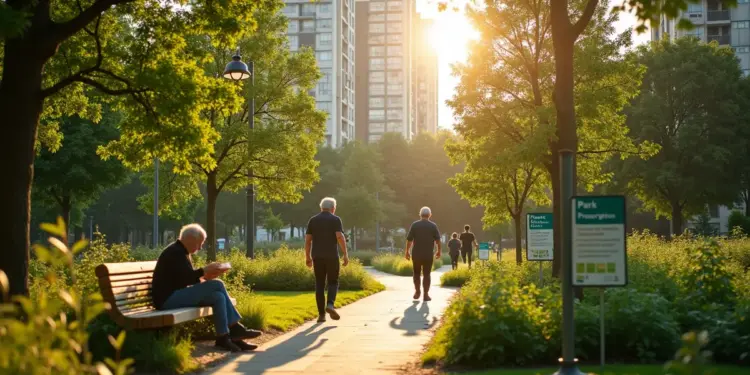
Urban life is mentally demanding. Recovery must include the mind. Chronic stress raises cortisol, which can impair sleep, digestion, and muscle repair. Breathwork, meditation, and mindfulness can lower stress. So can hobbies, music, art, and time with loved ones. Nature is especially powerful. A walk in a park, even a short one, can reduce mental fatigue.
Digital recovery is also important. Constant notifications fragment attention and keep the brain alert. Set boundaries. Use focus modes. Take screen-free meals. These small habits can improve recovery more than an expensive device.
Accessibility and Equity in Recovery
The city fitness recovery trend has a challenge: access. Recovery studios, saunas, and cold plunges can be expensive. Not everyone can afford monthly memberships. To make recovery inclusive, cities need public options. Parks, community centers, libraries, and affordable gyms can offer stretching classes, walking groups, and meditation sessions. Workplaces can provide recovery rooms and flexible schedules. Schools can teach sleep, nutrition, and stress management.
Recovery should not be a luxury. Basic practices like sleep, walking, hydration, and breathing are free. The trend becomes truly powerful when it reaches beyond the wealthy and the already fit.
Mistakes to Avoid
Many people approach recovery with enthusiasm but make common mistakes.
A. Doing too much recovery at once, such as extreme cold and heat without preparation.
B. Using recovery tools to mask pain instead of addressing the cause.
C. Ignoring sleep while buying expensive gadgets.
D. Overtraining because recovery feels good and creates a false sense of readiness.
E. Following social media routines that do not fit your body or schedule.
F. Neglecting nutrition and hydration.
G. Treating recovery as a competition rather than a personal practice.
Avoid these traps by keeping recovery simple, consistent, and guided by professional advice when needed.
The Future of City Fitness Recovery
The future of the city fitness recovery trend is likely to be more personalized, integrated, and sustainable. We may see recovery studios in residential buildings, offices, and transit hubs. Wearables may become more accurate and less intrusive. Artificial intelligence may coach people through recovery in real time. Public health systems may recognize recovery as preventive care.
At the same time, the trend may become more human. After years of optimization, many people are craving simplicity. A quiet walk, a good night’s sleep, a home-cooked meal, and a meaningful conversation may become the ultimate recovery luxuries. The cities that thrive will be those that design for rest, movement, nature, and community.
Conclusion

The city fitness recovery trend is more than a passing fad. It reflects a deeper understanding of how the body and mind adapt to stress. In urban environments, recovery is both a science and an art. It includes sleep, nutrition, mobility, thermal therapy, compression, breathwork, and social connection. It can be high-tech or low-tech. It can happen in a luxury studio or in a small apartment.
The most important lesson is balance. Training breaks the body down; recovery builds it back stronger. In a world that glorifies hustle, choosing recovery is a radical act. It improves performance, reduces injury risk, and enhances quality of life. Whether you are a runner, lifter, cyclist, or simply a city dweller trying to feel better, the city fitness recovery trend offers tools that can help you thrive. Start small. Be consistent. Listen to your body. Recovery is not a reward for hard work. It is part of the work.