
The digital fitness landscape has undergone a remarkable transformation in recent years. Gone are the days when workout enthusiasts had to manually curate playlists or rely on generic radio stations during their exercise routines. Today, the convergence of music streaming and fitness technology has created unprecedented opportunities for personalized, data-driven workout experiences. Spotify, the world’s leading audio streaming platform, has positioned itself at the forefront of this revolution through strategic partnerships and innovative integrations that seamlessly connect music with physical activity.
This comprehensive exploration examines how Spotify has revolutionized the fitness industry by integrating with major platforms and devices, creating an ecosystem where music and movement work in perfect harmony. From heart rate synchronization to tempo-matched playlists, the Swedish streaming giant has redefined what it means to work out with music.
Understanding Spotify’s Fitness Integration Ecosystem
Spotify’s approach to fitness integration represents a fundamental shift in how digital platforms interact with physical activity. Rather than operating as an isolated entertainment service, Spotify has actively pursued partnerships that embed its functionality into the broader fitness technology landscape.
The company’s strategy revolves around three core principles:
A. Seamless accessibility across multiple fitness platforms and devices
B. Data-driven personalization using biometric and activity information
C. Strategic partnerships with industry leaders to expand reach and functionality
These principles have guided Spotify’s integration efforts, resulting in a robust ecosystem that serves millions of fitness enthusiasts worldwide.
The Peloton Partnership: A Game-Changing Collaboration
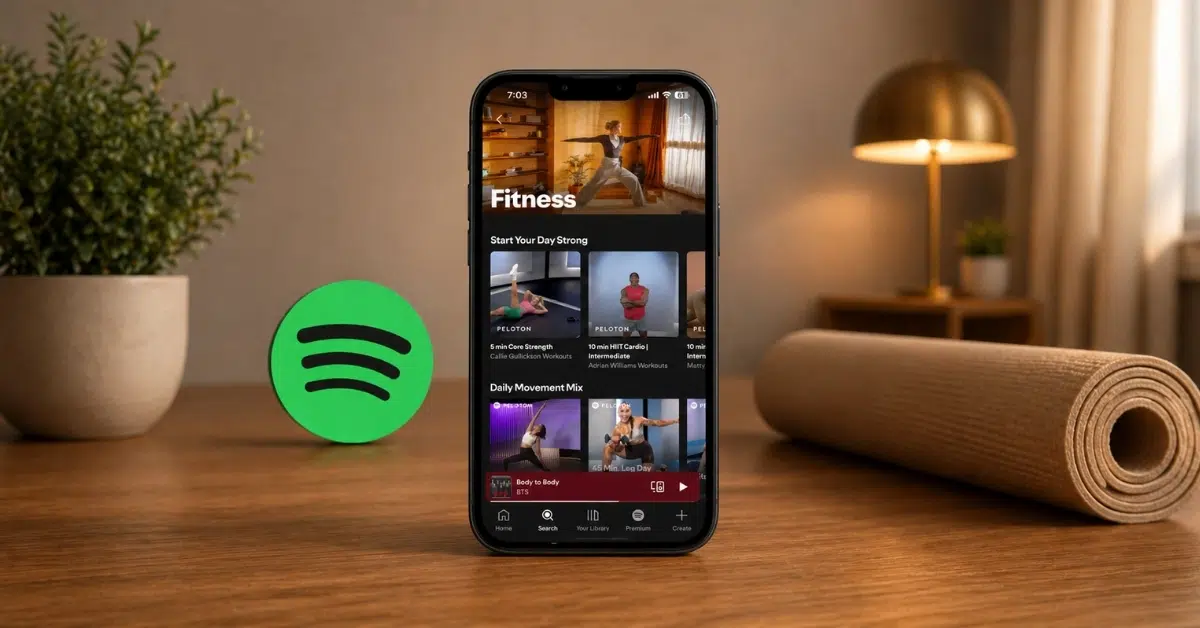
One of Spotify’s most significant fitness integrations came through its partnership with Peloton, the connected fitness company that revolutionized home workouts. This collaboration represented a watershed moment in the convergence of entertainment and exercise technology.
How the Integration Works
The Spotify-Peloton partnership enables users to connect their streaming accounts directly to the Peloton platform. Once linked, this integration provides several powerful features that enhance the workout experience.
When Peloton members connect their Spotify accounts, they unlock the ability to save and sync workout playlists directly to their Peloton profile. This means that the music curated during cycling classes, treadmill sessions, or strength training can be automatically added to their personal Spotify library, creating a seamless bridge between the workout experience and everyday listening habits.
Benefits for Users
The practical benefits of this integration extend far beyond simple convenience. Users gain:
A. Automatic playlist synchronization that preserves instructor-curated music for future workouts
B. The ability to explore and save songs discovered during Peloton sessions
C. A unified music experience that spans workout and leisure activities
D. Enhanced motivation through familiar, personalized soundtracks
This partnership demonstrates how strategic integration can create value for both platforms while significantly improving the end-user experience.
Spotify Health App API Integration

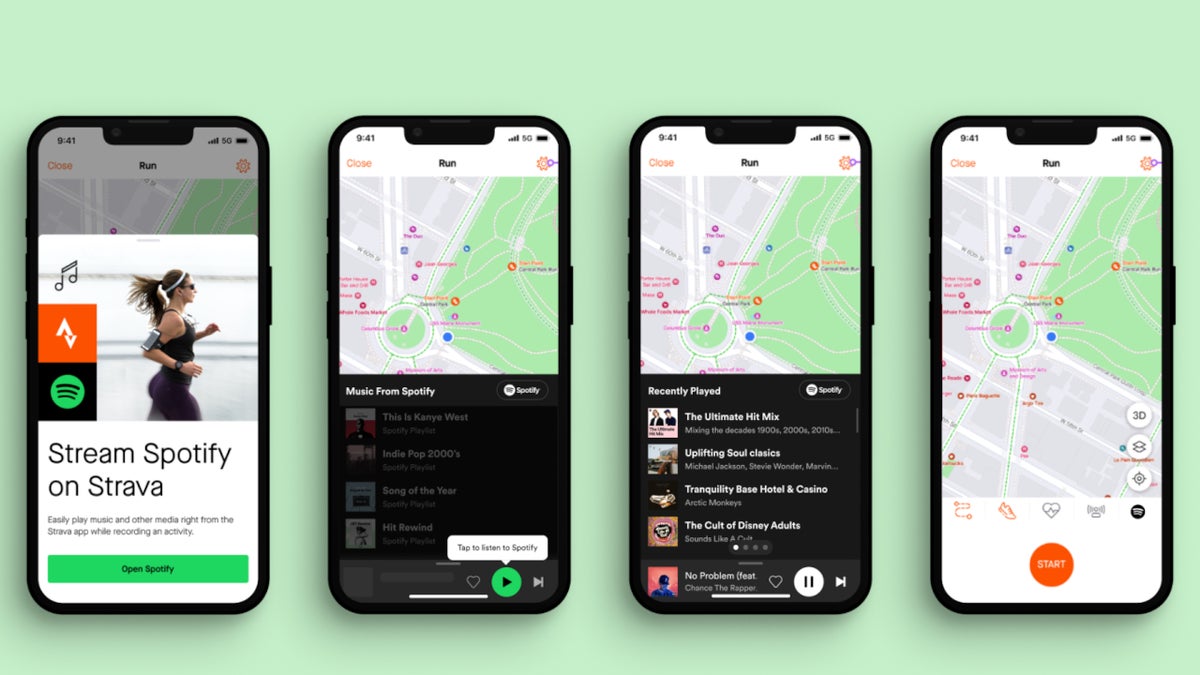
Spotify has taken fitness integration a step further through its Health App API, which allows developers to connect the streaming platform with popular health and fitness applications. This technical infrastructure opens possibilities for innovative workout experiences across a wide range of devices and applications.
Technical Framework
The API enables applications to communicate with Spotify’s playback system based on real-time biometric and activity data. Developers can create experiences where music automatically adapts to workout intensity, heart rate zones, or other relevant metrics.
Supported Applications
The integration ecosystem includes compatibility with various health and fitness platforms, creating a network of connected experiences. Users can leverage their preferred fitness tracking applications while enjoying Spotify’s vast music library synchronized to their activity patterns.
How Spotify Enhances Your Fitness Routine
Spotify offers several built-in features designed specifically to support exercise and physical activity. These tools provide immediate value without requiring additional third-party integrations.
Fitness Mode on Mobile
Spotify’s mobile application includes a dedicated Fitness mode that optimizes the listening experience for workout scenarios. This feature includes:
A. A specialized equalizer tuned for clarity during physical activity
B. Enhanced audio settings that cut through background noise
C. A “Find Music” option that suggests playlists tailored to specific workout types
Curated Workout Playlists
The platform maintains an extensive collection of workout-focused playlists covering virtually every exercise discipline. These range from high-intensity interval training soundtracks to calming yoga flows, ensuring that users find appropriate music for any fitness activity.
BPM Matching Technology
Spotify’s recommendation algorithms analyze song tempo and energy levels to create playlists that match the intensity of different workout phases. This technology helps users maintain appropriate pacing and motivation throughout their exercise sessions.
The Technical Infrastructure Behind Integration
Understanding the technology that powers these integrations provides insight into why they function so effectively and what future developments might emerge.
Authentication and Security
Spotify employs robust OAuth-based authentication protocols to ensure secure connections between its platform and third-party fitness applications. Users maintain control over what data is shared and can revoke access at any time.
Data Synchronization
The integration framework supports real-time data exchange, allowing fitness applications to respond to changes in user activity and adjust music playback accordingly. This synchronization happens seamlessly, without interrupting the workout experience.
Cross-Platform Compatibility
Spotify’s integration architecture supports connections across iOS, Android, and web-based fitness platforms, ensuring broad accessibility regardless of user preferences or device ecosystems.
Practical Applications for Different Fitness Activities
The versatility of Spotify’s fitness integrations means they can enhance virtually any type of physical activity.
Cardiovascular Training
For running, cycling, and other cardio activities, Spotify’s tempo-matching capabilities help users maintain consistent pacing. Integration with fitness tracking apps allows automatic playlist adjustments based on real-time heart rate data.
Strength Training
Weightlifting and resistance training benefit from Spotify’s curated collections of high-energy tracks. Integration with workout logging apps enables users to create powerful associations between specific exercises and motivating music.
Yoga and Mindfulness
Gentle, flowing playlists support yoga practice and meditation sessions. Some integrations allow for breathing-synchronized playback, creating a holistic mind-body experience.
Group Fitness Classes
Instructor-led classes can leverage Spotify’s integration capabilities to share playlists with participants, extending the class experience beyond the studio and fostering community engagement.
Future Developments and Industry Implications
The trajectory of Spotify’s fitness integration suggests continued innovation and expansion. Several emerging trends point toward even deeper connections between music and physical activity.
Biometric Synchronization
Advancements in wearable technology may enable more sophisticated integration between real-time biometric data and music playback. Imagine playlists that automatically shift tempo based on your heart rate zones or recovery metrics.
Artificial Intelligence Personalization
Machine learning algorithms will continue to improve, creating increasingly personalized workout soundtracks that adapt to individual preferences, fitness levels, and performance patterns.
Virtual Reality Integration
As VR fitness gains popularity, Spotify integration could create immersive workout environments where music is spatially positioned and dynamically responsive to movement.
Expanded Partnership Ecosystem
We may see new partnerships with gyms, fitness equipment manufacturers, and sports organizations, further embedding Spotify into every aspect of active lifestyles.
Maximizing Your Spotify Fitness Experience
Users can take several practical steps to optimize their use of Spotify’s fitness integrations.
A. Connect accounts across all fitness platforms to ensure consistent access to synchronized playlists
B. Experiment with different playlist types to identify optimal music for various workout phases
C. Use the Fitness mode during mobile workouts for enhanced audio performance
D. Explore BPM-specific playlists to match music tempo with target exercise intensity
E. Regularly update connected applications to access the latest integration features
Conclusion
Spotify’s fitness platform integration represents a significant evolution in how we experience both music and exercise. By breaking down barriers between entertainment and activity, the platform has created an ecosystem where music serves not just as background entertainment, but as an active tool for motivation, pacing, and performance enhancement.
The partnerships and technologies discussed here demonstrate Spotify’s commitment to meeting users wherever they are on their fitness journeys. Whether through seamless Peloton playlist synchronization, health app API connections, or built-in fitness features, Spotify continues to innovate at the intersection of audio and physical wellness.
As technology advances and new possibilities emerge, the relationship between music and movement will only deepen. For fitness enthusiasts and casual exercisers alike, this evolution promises increasingly personalized, engaging, and effective workout experiences powered by the perfect soundtrack for every activity.
The integration of Spotify with fitness platforms isn’t merely a technological achievement; it represents a fundamental shift in how we approach physical activity, transforming exercise from a solitary endeavor into a rich, multisensory experience enhanced by the universal language of music.