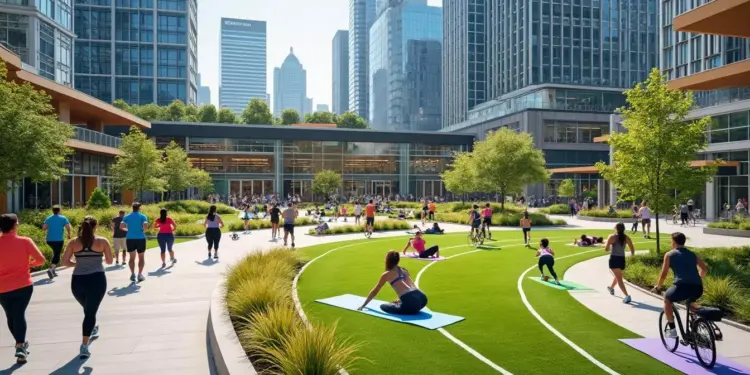
A fitness city is not simply a place with many gyms, running tracks, and sports centers. It is a living ecosystem where people feel welcome, capable, and motivated to move together. Fitness city community building is the intentional work of connecting urban design, public health, social programs, local leadership, and digital tools so that physical activity becomes a normal, enjoyable part of daily life. The goal is not to create a city of elite athletes. The goal is to create a city where a teenager, a retired teacher, a busy parent, a wheelchair user, and a night-shift worker can all find a path to better health without feeling judged, excluded, or overwhelmed.
This guide explores how fitness city community building works, why it matters, and how leaders, residents, businesses, and organizations can build stronger, healthier, and more connected places. It also explains the practical steps that make active communities last, from designing welcoming spaces to measuring success and funding long-term programs.
Understanding Fitness City Community Building
Fitness city community building is the process of creating physical, social, and digital environments that support movement and belonging. It combines ideas from urban planning, public health, community organizing, sports management, and behavioral science. A fitness city is not measured only by the number of parks or gyms. It is measured by how many people use them, how safe they feel, how connected they are to neighbors, and whether healthy habits continue over time.
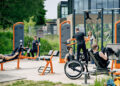
Community building is the human side of fitness. Infrastructure alone does not create healthy cities. A beautiful trail can remain empty if people do not know about it, cannot reach it, or do not feel safe using it. A free outdoor gym can fail if it is placed in an isolated area with no shade, lighting, or social programming. A fitness class can lose members if the culture feels competitive, cliquish, or unwelcoming. Community building turns spaces into places and participants into neighbors.
The benefits of fitness city community building go far beyond weight loss or muscle gain. Regular physical activity improves heart health, blood sugar control, sleep, mood, and cognitive function. It reduces the risk of chronic disease and can ease symptoms of anxiety and depression. At the community level, shared activity builds trust, reduces isolation, and strengthens social networks. Strong social ties are linked to better mental health, lower crime rates, and greater resilience during crises. A city that moves together is often a city that stays together.
Why Community Is the Missing Link
Many cities invest heavily in infrastructure but neglect the social glue that makes people use it. They build a new park, install a bike lane, or renovate a recreation center, then wonder why participation remains low. The missing link is often community. People need more than a facility. They need an invitation, a routine, a friendly face, and a reason to return.
Social support is one of the strongest predictors of long-term exercise adherence. When people exercise with friends, neighbors, or group members, they are more likely to show up, work harder, and stay committed. Accountability works because it is relational, not just mechanical. A workout buddy, a walking group, or a run club can make the difference between a short burst of motivation and a lifelong habit.
Community also changes the story people tell themselves. In many cities, fitness is marketed as an individual pursuit: buy a membership, track your progress, compete for results. That approach works for some, but it excludes many. Community-based fitness shifts the focus from performance to participation. It celebrates effort, consistency, and connection. It makes room for beginners, older adults, people with disabilities, and those who have never felt comfortable in traditional gym settings.
Core Pillars of a Thriving Fitness City
Strong fitness cities are built on several interconnected pillars. Each pillar supports the others. If one is weak, the whole system suffers. The following alphabetical framework helps organizers and policymakers assess where to focus.
A. Access and Affordability
People need convenient, low-cost options. Access means safe routes, nearby facilities, reliable transportation, and flexible schedules. Affordability means free or sliding-scale programs, no expensive equipment requirements, and options for families and low-income residents.
B. Belonging and Culture
A welcoming culture is essential. Participants must feel seen, respected, and valued. Language, body image, gender, age, faith, and cultural norms all shape whether people feel they belong. Community leaders should actively build a culture of encouragement rather than comparison.
C. Collaboration Across Sectors
Fitness city community building cannot be owned by one department or organization. It requires partnerships among public health agencies, parks departments, schools, nonprofits, gyms, healthcare providers, employers, faith groups, and resident associations. Shared goals and clear roles prevent duplication and build trust.
D. Diversity, Equity, and Inclusion
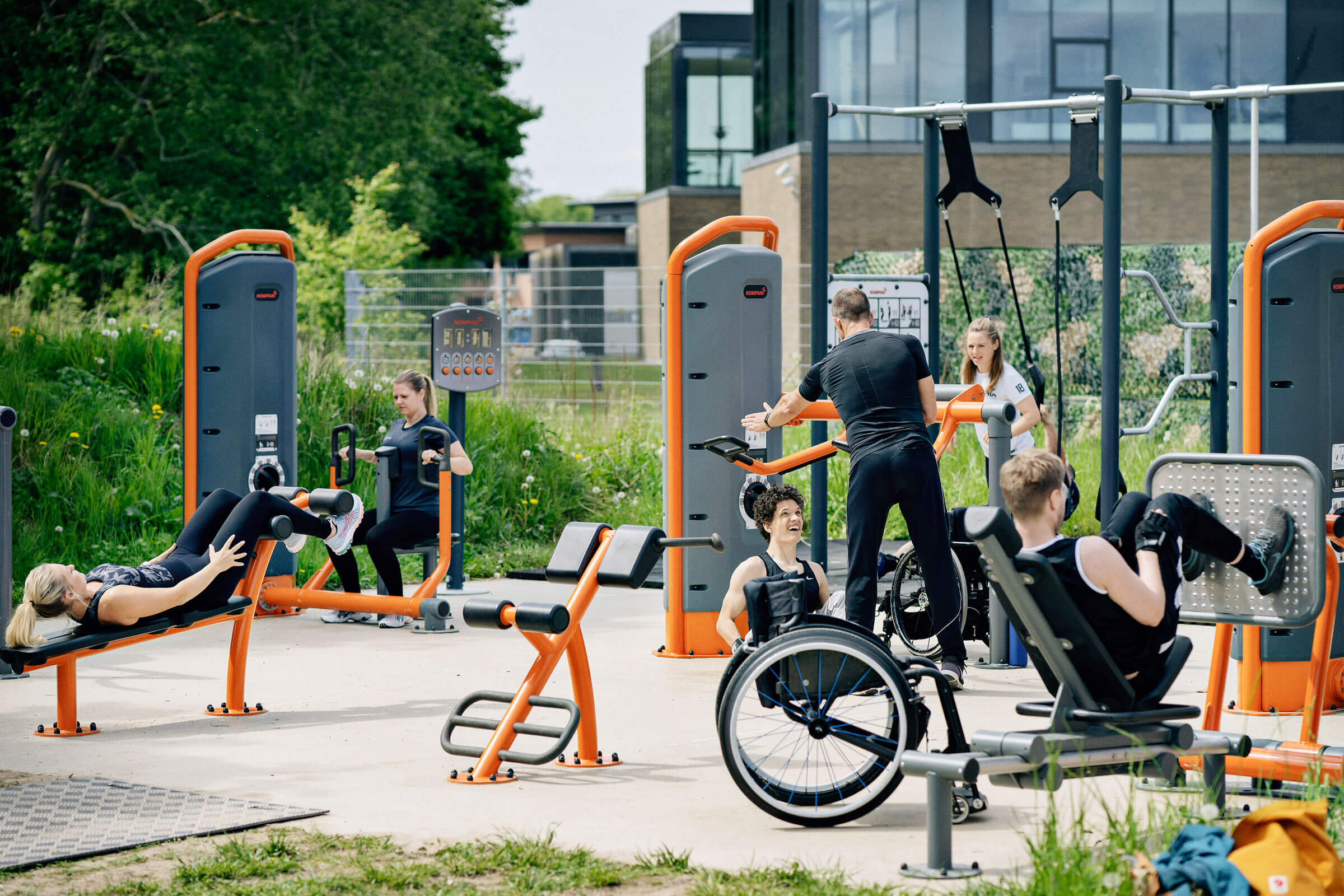
Equity means removing barriers so that all residents can participate. This includes physical accessibility, financial accessibility, cultural relevance, and safety. Inclusion is not a slogan. It is a daily practice of listening, adapting, and sharing power with underrepresented communities.
E. Engagement and Co-Creation
Programs designed without residents often fail. Co-creation means asking people what they need, involving them in planning, and giving them leadership roles. Resident ambassadors, youth councils, and community advisory boards can guide decisions and build local ownership.
F. Funding and Policy Support
Sustainable funding comes from diverse sources: public budgets, grants, sponsorships, memberships, events, and healthcare partnerships. Policy support can include complete streets, safe routes to school, park equity requirements, and incentives for active design.
G. Green and Active Infrastructure
Parks, trails, sidewalks, bike lanes, outdoor gyms, community gardens, and public plazas all encourage movement. Green spaces also improve air quality, reduce heat, and support mental health. Active infrastructure should connect destinations, not exist as isolated islands.
H. Health and Social Metrics
What gets measured gets improved. Fitness cities should track participation, retention, demographic reach, perceived safety, social connectedness, and health outcomes. Metrics should guide decisions, not just justify budgets.
Designing Places That Invite Movement
Urban design shapes behavior. When walking is easy, pleasant, and safe, more people walk. When cycling is protected and connected, more people cycle. When parks are close, clean, and programmed, more people use them. Fitness city community building begins with the places people already inhabit: streets, sidewalks, plazas, schools, workplaces, and housing complexes.
A useful principle is the ten-minute walk. Residents should be able to reach a park, trail, playground, or recreation space within a short walk from home. This requires a network of small, distributed spaces rather than a few large facilities far away. It also requires safe crossings, lighting, shade, benches, drinking water, and public restrooms. These details may seem minor, but they determine whether a space feels inviting or exhausting.
Tactical urbanism can test ideas quickly and cheaply. A parking lot can become a pop-up fitness park for a weekend. A vacant lot can host temporary yoga, dance, or strength classes. A street can be closed for a monthly open streets event. These experiments build momentum, gather feedback, and show residents what is possible. When successful, they can inform permanent investments.
Active design should also consider climate and season. In hot cities, shade, misting stations, and evening programs are essential. In cold cities, indoor walking tracks, winter sports, and heated gathering spaces keep people active. In rainy regions, covered courts and community centers provide reliable options. The goal is year-round movement, not perfect weather.
Programming That Builds Bonds
Programs are the heartbeat of fitness city community building. They turn space into social life. Effective programs are recurring, beginner-friendly, low-pressure, and connected to local culture. They also offer multiple entry points so people can choose what fits their body, schedule, and comfort level.
A. Anchor Events
Large community events such as fun runs, charity walks, dance festivals, and sports days create visibility and excitement. They attract first-timers and signal that fitness is for everyone. Anchor events should be inclusive, affordable, and connected to ongoing programs.
B. Beginner Series
Structured beginner courses reduce intimidation. A six-week walking group, a learn-to-run program, or a gentle strength class helps people build confidence and habits. Graduation events can celebrate progress and connect participants to the next step.
C. Challenges
Community-wide challenges, such as step counts, cycling kilometers, or minutes of movement, can motivate people when designed cooperatively rather than competitively. Team-based challenges encourage social support and reduce pressure.
D. Drop-In Classes
Free or low-cost drop-in sessions in parks, plazas, and community centers remove scheduling barriers. Yoga, Zumba, tai chi, aerobics, and bodyweight training are popular options. Consistency matters more than variety.
E. Educational Workshops
Workshops on nutrition, sleep, stress management, injury prevention, and goal setting add value. They position fitness as part of a broader wellness journey and give participants practical tools.
F. Family and Youth Leagues
Families need activities they can do together. Youth leagues, parent-child classes, and intergenerational programs build lifelong habits and strengthen community ties.
Partnerships and Local Leadership
No single organization can build a fitness city alone. Partnerships bring resources, expertise, trust, and reach. Local government can provide land, permits, and funding. Nonprofits can deliver programs and engage residents. Schools can open facilities after hours. Healthcare providers can refer patients to community exercise programs. Employers can sponsor workplace challenges and wellness benefits. Gyms and studios can offer discounted community classes. Faith groups can host walking clubs and health fairs.
Trusted messengers are essential. In many communities, people are more likely to join a program recommended by a neighbor, faith leader, coach, or community health worker than by a government campaign. Resident ambassadors can bridge cultural and language gaps. They can also provide feedback that improves programs and builds accountability.
Partnerships require clear agreements. Memorandums of understanding, shared calendars, joint budgets, and regular communication prevent confusion. Successful partnerships also share credit. When organizations compete for visibility, residents lose. When they collaborate, the whole community wins.
Digital Community and Smart Engagement
Digital tools can strengthen fitness city community building when used thoughtfully. Apps, social media groups, wearable devices, and online challenges can connect people, track progress, and share information. A neighborhood running club can organize through a messaging app. A city can publish maps of trails, outdoor gyms, and accessible facilities. A community center can livestream classes for people who cannot attend in person.
However, digital tools must not replace human connection. They should support it. Not everyone has reliable internet, a smartphone, or digital literacy. Programs should offer offline options, printed schedules, phone trees, and in-person sign-ups. Privacy is also important. Collect only necessary data, be transparent about its use, and protect participants’ personal information.
For organizations that run fitness city websites or blogs, search engine optimization and useful content can attract residents and sustain community building. Articles about local trails, beginner guides, safety tips, and event calendars can serve readers while generating ad revenue. The key is to prioritize value, accuracy, and local relevance. AdSense-friendly content should be original, helpful, and easy to navigate. It should never sacrifice reader trust for clicks.
Inclusion, Safety, and Accessibility
Inclusion is not a separate task. It is the foundation of a healthy fitness city. Many people face barriers that have nothing to do with motivation. They may lack money, transportation, childcare, time, or confidence. They may have disabilities, chronic conditions, or past experiences of discrimination. They may feel unsafe in certain places or at certain times. A fitness city must address these barriers directly.
A. Affordability
Offer free, donation-based, or sliding-scale options. Provide equipment lending, scholarships, and family discounts.
B. Belonging
Create welcoming spaces with clear anti-harassment policies, diverse instructors, and inclusive language. Avoid competitive culture unless participants specifically seek it.
C. Communication
Translate materials, use plain language, and share information through trusted community channels. Offer multiple ways to register and ask questions.
D. Design
Ensure physical accessibility with ramps, smooth surfaces, accessible restrooms, adaptive equipment, and seating. Consider sensory needs, lighting, and noise.
E. Education
Train staff and volunteers on trauma-informed practices, disability inclusion, cultural humility, and bystander intervention. Education builds confidence and reduces harm.
F. Feedback
Create regular feedback loops. Ask participants what is working and what is not. Act on input and communicate changes. Inclusion is an ongoing practice, not a certificate.
Safety also matters. Perceived safety often determines whether people use public spaces. Lighting, visibility, maintenance, nearby activity, and community presence can make a difference. Some communities benefit from violence prevention programs, youth employment, and restorative justice approaches rather than simply adding more policing. Safety is both physical and social.
Measuring Success

Measurement helps fitness city community building grow from good intentions into lasting impact. The right metrics tell a story about who is participating, who is missing, and what change is happening. Both quantitative and qualitative data are valuable.
Quantitative metrics may include participation numbers, attendance frequency, retention rates, demographic representation, physical activity minutes, miles of connected trails, bike lane usage, park visits, and health outcomes such as blood pressure or quality of life scores. Qualitative metrics may include interviews, focus groups, stories, and observations. These reveal trust, belonging, joy, and barriers that numbers alone cannot capture.
Avoid vanity metrics. A huge event with thousands of attendees is impressive, but if no one returns, it may not build lasting community. A small walking group that meets for years may have a deeper impact. Track retention, social connections, and leadership development. Use dashboards to share progress with partners and residents. Celebrate successes, but also be honest about gaps.
Funding and Sustainability
Fitness city community building needs reliable funding. Grants are useful for starting programs, but they are often short-term. Sustainable funding combines multiple sources. Public health departments, parks departments, and city budgets can support staffing and maintenance. Sponsorships from local businesses can fund events and equipment. Memberships and paid classes can generate earned income while keeping free options available. Healthcare partnerships can support referral programs and preventive care. Crowdfunding and micro-grants can empower resident-led projects.
Volunteers are valuable, but they should not be expected to carry the entire burden. Paid organizers bring consistency, accountability, and expertise. Invest in training, fair compensation, and leadership pathways. When community members are paid for their time, programs become more equitable and sustainable.
Policy can also unlock long-term change. Complete streets policies, park equity standards, safe routes to school, and active design guidelines embed movement into the city’s DNA. These changes outlast individual programs and funding cycles.
Challenges and Solutions
Fitness city community building faces real challenges. Gentrification can displace the very residents who built a program. Burnout can exhaust volunteer leaders. Seasonal weather can interrupt momentum. Funding cycles can end promising initiatives. Political changes can shift priorities. Lack of trust can make outreach difficult, especially in communities that have been ignored or harmed by institutions.
Solutions require patience and equity. Use an equity lens when planning new amenities. Support residents with anti-displacement measures. Pay and support community organizers. Create indoor and virtual options for bad weather. Diversify funding. Build relationships across political lines. Be transparent about decisions. Admit mistakes. Keep showing up.
The Future of Fitness City Community Building

The future of fitness city community building will be shaped by technology, climate, demographics, and urban design. Smart cities can use data to improve safety, access, and programming. AI can offer personalized coaching and adaptive workouts. Hybrid fitness can connect in-person and online communities. Active transportation can reduce emissions and improve health. Intergenerational programs can bring young and old together. Gamification can make movement fun, as long as it does not exclude or exploit users.
Yet the most important trend is human. People want to belong. They want to feel capable. They want to be part of something larger than themselves. The cities that thrive will be those that treat fitness as a shared public good, not a private luxury. They will design streets for people, fund community programs, and celebrate every step, no matter how small.
Conclusion
Fitness city community building is a powerful way to improve health, connection, and quality of life. It begins with a simple belief: movement should be accessible, enjoyable, and social. It grows through thoughtful design, inclusive programming, strong partnerships, and genuine resident leadership. It lasts when it is measured, funded, and rooted in trust.
Whether you are a mayor, urban planner, gym owner, teacher, healthcare worker, nonprofit leader, or concerned resident, you have a role to play. Start small. Organize a walk. Open a space. Invite a neighbor. Listen before you lead. Measure what matters. Celebrate progress. A fitness city is not built overnight. It is built one relationship, one program, and one active day at a time.