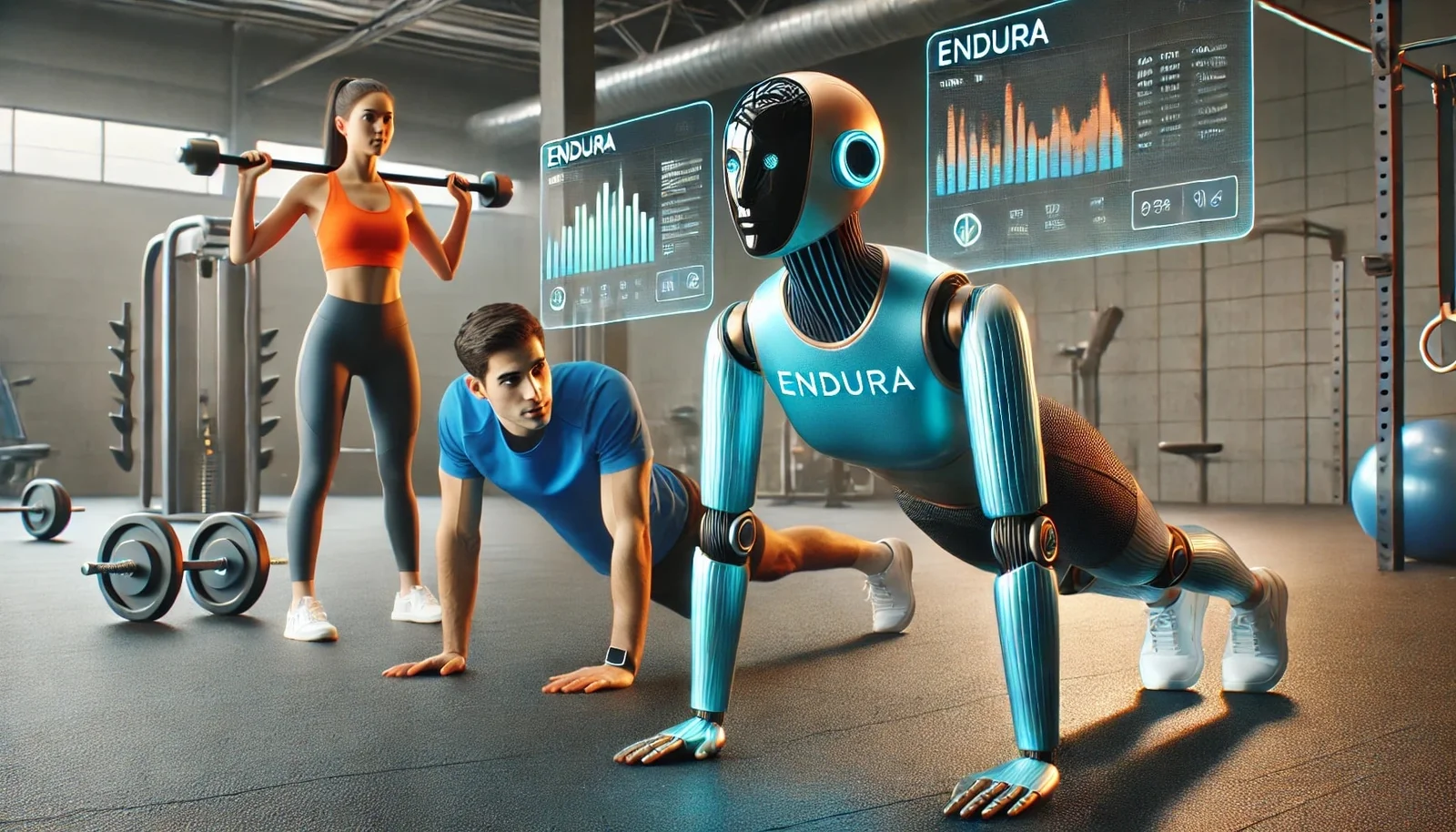
The fitness industry is entering a new era. For decades, personal trainers have been the primary source of guidance, motivation, and accountability inside gyms. They design programs, correct form, track progress, and push clients beyond perceived limits. But a growing wave of artificial intelligence is changing that relationship. AI gym platforms are now capable of watching movement, adjusting workouts in real time, analyzing biometric data, and delivering coaching that feels surprisingly personal. The result is a serious question: can an AI gym platform replace personal trainers?
The short answer is complicated. AI is not simply replacing every trainer overnight. Instead, it is replacing many of the routine, repetitive, and data-heavy tasks that trainers perform. It is also creating a new kind of gym experience where members receive continuous feedback without needing to book a session or pay premium hourly rates. This shift has major implications for gym owners, fitness professionals, and everyday exercisers.
This article explores how AI gym platforms work, why they are gaining traction, what they can and cannot replace, and how the fitness industry may evolve in the coming years.
What Is an AI Gym Platform?
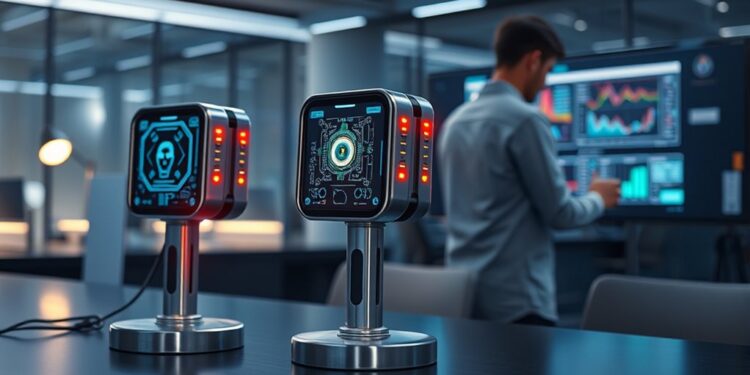
An AI gym platform is a connected system that uses artificial intelligence to deliver exercise guidance, monitoring, and programming. It typically combines several technologies:
A. Computer vision, which uses cameras and pose estimation to analyze body movement.
B. Wearable biometrics, which collect heart rate, sleep, recovery, and calorie data.
C. Machine learning models, which detect patterns and personalize recommendations.
D. Natural language processing, which allows members to ask questions and receive spoken or written answers.
E. Smart equipment integration, which adjusts resistance, speed, or incline automatically.
F. Predictive analytics, which forecasts progress, injury risk, and plateaus.
These systems can exist as standalone apps, mirrored displays, smart mirrors, or fully integrated gym ecosystems. A member might walk into a gym, scan a QR code, and receive a workout that has already been adjusted based on last night’s sleep, recent training load, and today’s readiness score. Cameras then track each repetition, while a virtual coach offers cues such as “keep your chest up” or “slow down the descent.”
Unlike older workout apps that simply played videos, modern AI gym platforms respond to the user. They do not just show a exercise; they watch, analyze, and adapt.
Why Gyms Are Turning to AI
The adoption of AI in fitness is not driven by novelty alone. Several practical forces are pushing gyms toward automation.
A. Cost pressure. Personal training is expensive for members and payroll-heavy for gyms. AI can deliver basic coaching to many members at once.
B. Consistency. Human trainers vary in skill, mood, and availability. AI delivers the same standard every session.
C. Scalability. A single gym can support thousands of members with AI, while human trainers are limited by hours.
D. Data-driven personalization. AI can process more variables than a trainer can track manually.
E. Convenience. Members can train at any hour without scheduling conflicts.
F. Post-pandemic preferences. Some exercisers prefer less physical contact and more privacy.
For gym owners, the appeal is obvious. AI can reduce dependence on expensive staff while increasing member engagement. For members, AI can offer a lower-cost alternative to one-on-one training. For trainers, however, the shift demands adaptation.
Core Technologies Behind the Shift
The magic of AI gym platforms comes from multiple technologies working together.
A. Computer vision and pose estimation. Cameras or depth sensors map joints and track movement. This allows rep counting, tempo analysis, range-of-motion checks, and form corrections.
B. Wearable integration. Smartwatches and fitness bands send heart rate variability, sleep quality, and recovery scores. The AI uses this to adjust intensity.
C. Natural language processing. Members can ask, “Why is my shoulder hurting?” and receive general guidance, though not medical diagnosis.
D. Predictive analytics. Algorithms identify patterns that precede plateaus or overtraining.
E. Smart resistance machines. Digital weight stacks and motorized cables can change load automatically.
F. Generative AI programming. Large language models can create workout plans, explain exercises, and answer questions in conversational language.
Together, these tools create a feedback loop. The member trains, the AI observes, the system learns, and the next workout improves.
How AI Replaces Traditional Trainer Tasks
Personal trainers perform many duties. AI can now handle a surprising number of them.
A. Assessment and goal setting. AI can conduct movement screens, strength tests, and goal questionnaires.
B. Program design. Algorithms can build periodized plans based on goals, experience, and available equipment.
C. Real-time form correction. Computer vision can detect knee valgus, rounded back, or incomplete range of motion.
D. Motivation and accountability. Push notifications, streaks, and voice encouragement can keep members consistent.
E. Progress tracking. AI logs every rep, load, and heart rate zone, then visualizes trends.
F. Nutrition and recovery guidance. Some platforms suggest protein intake, sleep targets, and deload weeks.
G. Scheduling and administration. AI handles bookings, reminders, and payments.
In a fully automated gym, a member could complete an entire training cycle without speaking to a human coach. The AI would assess, prescribe, correct, motivate, and progress the member. This is already happening in boutique studios and high-tech fitness chains.
What AI Still Cannot Replace
Despite rapid advances, AI gym platforms have significant limitations.
A. Human empathy. A trainer can sense frustration, fear, or embarrassment and respond with emotional intelligence.
B. Complex rehabilitation. Post-surgery recovery, chronic pain, and neurological conditions require clinical judgment.
C. Nuanced motivation. Some people need tough love; others need gentle encouragement. AI often struggles to read the room.
D. Community and trust. The bond between trainer and client often drives adherence more than any algorithm.
E. Ethical judgment. AI may not know when to stop a workout for safety reasons beyond its training data.
F. Creative problem solving. Human trainers improvise when equipment is unavailable or a client feels unwell.
For these reasons, the most likely future is not total replacement but hybridization. AI handles the data and repetition; humans handle the relationship and complexity.
Benefits for Gym Members
Members gain several advantages from AI gym platforms.
A. Lower cost. AI coaching can be included in a standard membership rather than charged at $60 to $150 per hour.
B. Privacy. Some people feel self-conscious exercising in front of a trainer. AI offers nonjudgmental feedback.
C. Personalization at scale. Every workout can be tailored to the individual’s readiness and goals.
D. 24/7 availability. Members can train when it suits them, not when a trainer is free.
E. Objective feedback. AI does not forget cues or miss subtle changes in form.
F. Faster progress. Consistent adjustments can lead to better results for disciplined users.
For beginners, AI can be a safe entry point. For advanced lifters, it can be a precise tool for periodization.
Benefits for Gym Owners and Operators
Gym owners see AI as a way to improve margins and retention.
A. Reduced payroll. Fewer trainers are needed for basic coaching.
B. Scalable personal training. AI can serve hundreds of members simultaneously.
C. Better retention. Personalized plans and progress tracking keep members engaged.
D. Data insights. Gyms learn which workouts, times, and equipment are most popular.
E. New revenue streams. Premium AI coaching tiers, virtual challenges, and corporate wellness packages.
F. Competitive differentiation. A high-tech gym can attract younger, tech-savvy members.
However, implementation costs can be high. Cameras, sensors, software licenses, and staff training require investment.
Challenges and Criticisms
AI gym platforms face valid criticism.
A. Data privacy. Cameras and wearables collect sensitive health information.
B. Algorithm bias. AI trained on narrow datasets may not serve all body types, ages, or abilities.
C. Lack of human connection. Many people go to gyms for social interaction.
D. Technical failures. Cameras misread movements; sensors lose connection; software crashes.
E. Accessibility. Not everyone can afford or use advanced technology.
F. Liability. If AI gives harmful advice, who is responsible?
G. Overreliance. Members may ignore pain because the algorithm tells them to push harder.
These issues mean that AI must be deployed carefully, with clear disclaimers and human oversight.
The New Role of Personal Trainers
Personal trainers are not disappearing. Their role is shifting.
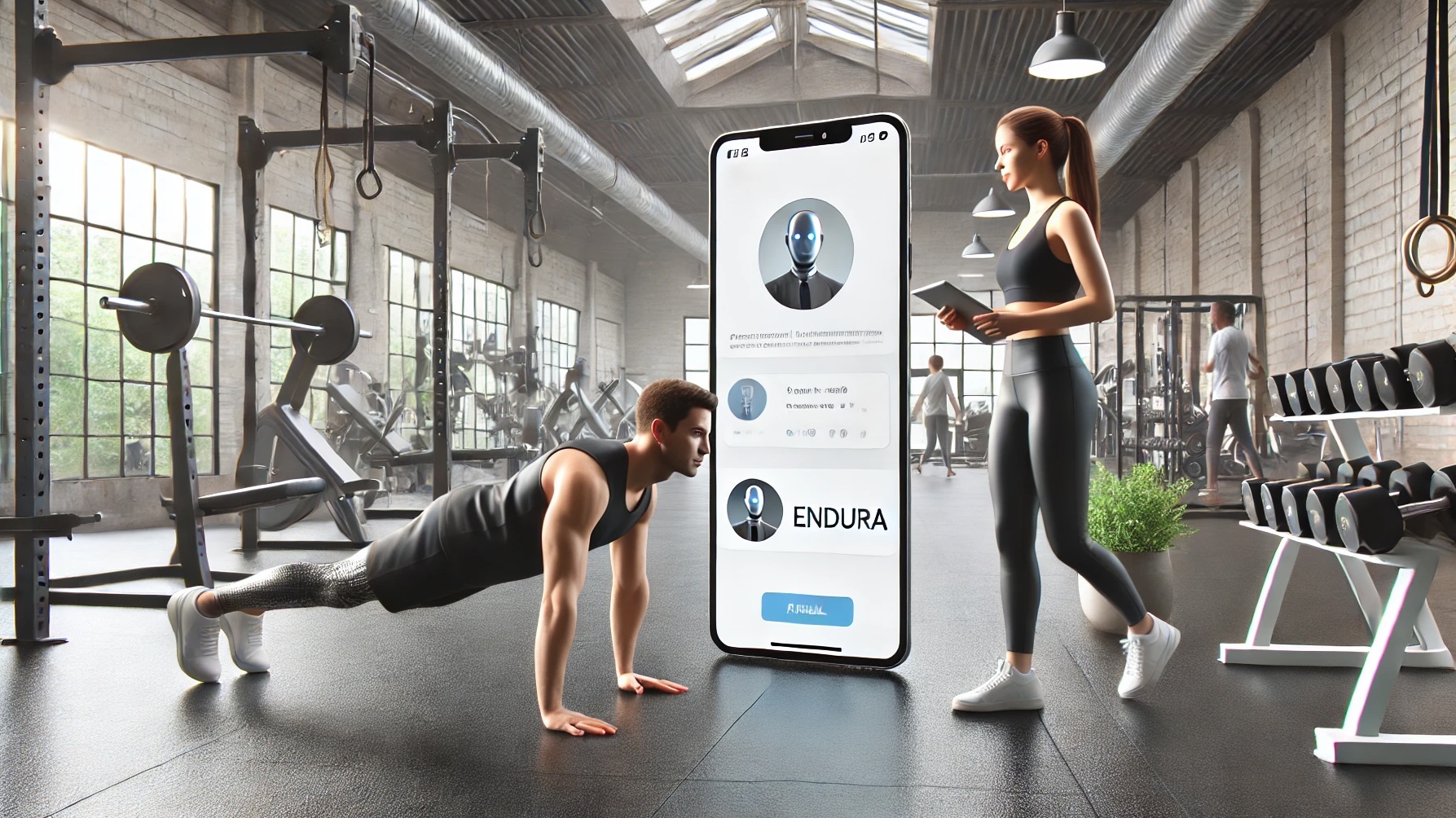
A. AI manager. Trainers oversee AI-generated programs and adjust them.
B. Specialist coach. Trainers focus on rehabilitation, sport-specific performance, and behavior change.
C. Community builder. Trainers create group energy, challenges, and accountability.
D. Data interpreter. Trainers explain AI insights to members in human terms.
E. Ethical gatekeeper. Trainers ensure safety and intervene when AI misses context.
In a hybrid model, AI handles the science and tracking. Trainers handle the art and relationship. This can actually increase a trainer’s value because they can serve more clients with less administrative work.
Implementation Roadmap for Gyms
Gyms that want to adopt AI should follow a structured plan.
A. Audit needs. Identify which services AI should replace or support.
B. Choose platform. Compare features, privacy policies, and integration capabilities.
C. Pilot program. Test with a small group before full rollout.
D. Train staff. Teach trainers how to use and supervise the system.
E. Communicate with members. Explain benefits, data use, and opt-out options.
F. Measure results. Track retention, satisfaction, revenue, and safety incidents.
G. Iterate. Improve based on feedback and performance data.
A rushed implementation can alienate members and staff. A thoughtful one can transform the gym.
User Journey With an AI Gym Platform
What does the experience actually look like?
A. Onboarding. The member answers questions about goals, injuries, and schedule.
B. Baseline assessment. Cameras and sensors measure strength, mobility, and endurance.
C. Daily workout. The AI assigns exercises, watches form, and adjusts rest times.
D. Post-workout. The member receives a summary with reps, load, heart rate, and recovery advice.
E. Weekly review. The AI analyzes trends and suggests changes.
F. Monthly recalibration. The system re-tests key metrics and updates the plan.
G. Human check-in. A trainer reviews progress and addresses concerns.
This journey can be entirely automated or blended with human touchpoints.
Economic Impact
The economic impact of AI gym platforms is significant. Personal training has long been a high-margin service for gyms, but it is limited by labor. AI turns personal training into a scalable digital product. A gym can charge $10 to $30 per month for AI coaching and still profit, because the marginal cost per user is low.
This could democratize access to fitness guidance. People who cannot afford a personal trainer may finally receive structured, personalized programming. At the same time, human trainers may face wage pressure. The market may split into low-cost AI coaching and high-end human coaching for those who can pay.
Legal and Ethical Considerations
AI fitness raises important legal questions.
A. Consent. Members must agree to camera and biometric data collection.
B. Data security. Health data must be encrypted and protected.
C. Liability. Gyms need clear policies on AI recommendations and injuries.
D. Transparency. Members should know how decisions are made.
E. Inclusivity. AI must be tested on diverse populations.
F. Right to human review. Members should be able to request a human trainer.
Regulators are still catching up. Gyms should act responsibly before laws force them to.
Future Scenarios
The future of AI gym platforms could take several forms.
A. Fully autonomous gyms. Unstaffed facilities with AI coaching and smart equipment.
B. Hybrid coaching studios. AI handles programming; humans handle motivation.
C. AI physiotherapy. Systems that guide rehabilitation with clinical oversight.
D. Gamified fitness. AI creates challenges, rewards, and social competition.
E. Global access. People in remote areas receive elite coaching via phone cameras.
F. Preventive health integration. AI gym data connects with doctors and insurers.
The most successful models will likely combine technology with human empathy.
Case Study: A Mid-Sized Gym Chain
Imagine a gym chain with 10 locations and 20,000 members. It struggles with trainer turnover and high payroll. It introduces an AI gym platform with cameras, wearables, and smart machines. Within six months, 60% of members use AI coaching at least twice a week. Personal training revenue drops 15%, but overall membership revenue rises 22% because retention improves. Trainers shift to hybrid roles, overseeing AI plans and leading small-group classes. Member satisfaction increases, especially among beginners and night-shift workers. The chain expands AI to all locations and launches a premium tier with human check-ins. The result is not a trainer-free gym, but a trainer-enhanced, AI-powered gym.
Conclusion
AI gym platforms are not a passing fad. They are a fundamental shift in how fitness guidance is delivered. They can replace many routine trainer tasks, lower costs, increase personalization, and make coaching available around the clock. But they cannot fully replace human empathy, clinical judgment, and community. The smartest path forward is collaboration. Gyms should use AI to scale personalization, while trainers focus on the complex, emotional, and relational aspects of fitness. Members should enjoy the benefits of AI while demanding transparency, privacy, and safety. The future of fitness is not human versus machine. It is human plus machine, working together to build stronger, healthier lives.