

The connected fitness landscape has undergone a seismic shift. What was once a niche market defined by sleek stationary bikes and charismatic instructors has evolved into a sophisticated ecosystem where artificial intelligence meets human aspiration. At the epicenter of this transformation stands Peloton Interactive, a company that has weathered both the euphoric highs of pandemic-era growth and the sobering realities of a post-pandemic market correction. In October 2025, Peloton unveiled Peloton IQ, an AI and computer vision system designed to deliver personalized guidance and dynamic coaching to its members. This launch did not merely introduce a new feature; it signaled a fundamental reimagining of what a fitness platform can be.
For years, Peloton’s identity was inextricably linked to its cycling heritage. The company’s cultural ubiquity was built on the rhythmic pedaling of millions of users who tuned in to live and on-demand classes from their homes. However, as the world reopened and consumers returned to gyms and outdoor activities, Peloton faced an existential question: could it evolve beyond the bike? The answer, delivered through Peloton IQ and a comprehensive hardware overhaul, has been a resounding affirmation. CEO Peter Stern, who assumed leadership in January 2025, has articulated a vision that extends far beyond cycling into running, walking, hiking, strength training, and holistic wellness.
This article examines the multifaceted implications of Peloton’s AI platform launch. It explores the technological architecture underpinning Peloton IQ, the strategic rationale driving the company’s expansion into new fitness modalities, the market dynamics that make this pivot both timely and necessary, and the broader questions about the role of artificial intelligence in personal health and coaching. By the conclusion, readers will possess a comprehensive understanding of how Peloton is attempting to redefine its value proposition and what this means for the future of connected fitness.
The Genesis of Peloton IQ: From Concept to Reality
The journey toward Peloton IQ began long before its October 2025 debut. As early as September 2025, reports emerged that Peloton was preparing to introduce refreshed hardware and a software overhaul that incorporated artificial intelligence for personalization. The company, based in New York, had spent several years cutting costs, restructuring operations, and repairing its balance sheet after the pandemic-era boom in connected fitness gave way to a sharp slowdown in demand. The launch of Peloton IQ represented not merely a product update but a strategic gambit designed to reignite growth and restore investor confidence.
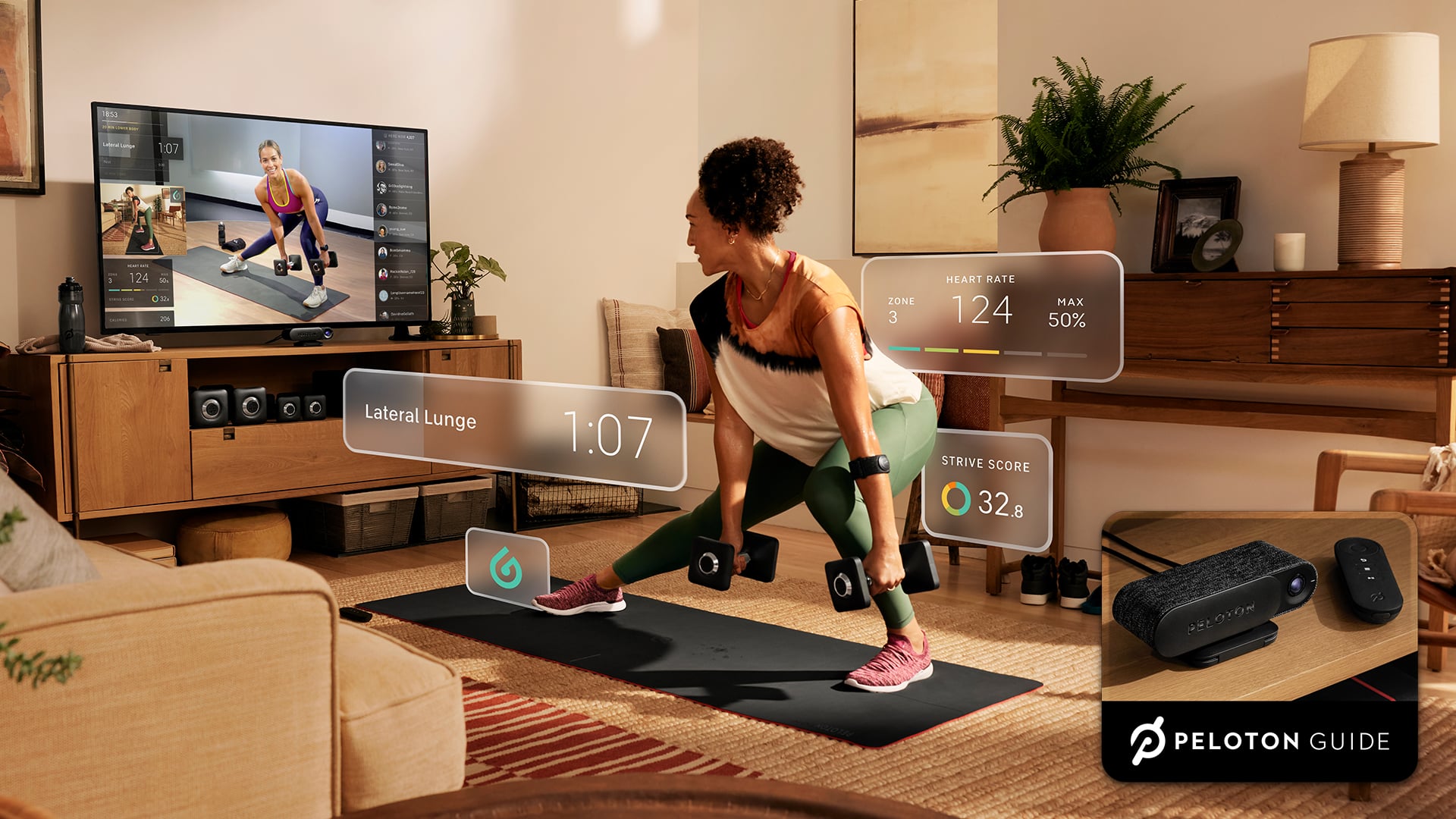
Peloton IQ is best understood as a comprehensive software system that weaves artificial intelligence into every stage of the fitness experience. According to Peloton’s official description, the platform encompasses a collection of features that appear before, during, and after workouts to personalize and optimize training. Before a workout, Peloton IQ can generate personalized plans based on user goals, fitness levels, and historical performance data. During a workout, it provides real-time coaching, form feedback, and dynamic adjustments. After a workout, it delivers insights and analysis that help users understand their progress and identify areas for improvement.
The technological foundation of Peloton IQ rests on two interconnected pillars: machine learning algorithms that analyze user data, and computer vision systems that observe and interpret physical movement. The latter capability is particularly significant because it enables Peloton to offer something that was previously the exclusive domain of in-person personal trainers: real-time form correction. For users of the premium Tread+ and Row+ models, built-in movement-tracking cameras enable Form Feedback, Rep Tracking, and Suggested Weights, effectively transforming the equipment into an intelligent training partner.
The integration of computer vision is not merely a technical achievement; it represents a philosophical shift in how Peloton conceives of its relationship with users. Rather than serving as a passive conduit for video content, the platform becomes an active participant in the user’s fitness journey. It observes, learns, and adapts, creating a feedback loop that mimics the dynamic interaction between a coach and an athlete. This is what Peloton means when it describes Peloton IQ as a system that provides “personalized guidance” and “dynamic coaching”.
The Cross Training Series: Hardware as a Vehicle for Intelligence
The launch of Peloton IQ was accompanied by an equally significant hardware initiative: the Peloton Cross Training Series. This represented the first time in Peloton’s history that the company refreshed its entire product lineup. The series includes five connected fitness devices: the Cross Training Bike, Bike+, Tread, Tread+, and Row+ (with the Tread+ and Row+ available exclusively in the United States and Canada).
Each device in the Cross Training Series features an advanced Swivel Screen, a design innovation that allows users to seamlessly transition between cardio, strength training, yoga, Pilates, barre, and other modalities. This seemingly simple mechanical enhancement has profound implications for the user experience. Previously, Peloton equipment was designed for a specific activity: the Bike for cycling, the Tread for running. The Swivel Screen transforms these single-purpose machines into versatile platforms capable of supporting a comprehensive wellness routine. A user can complete a cycling class, rotate the screen, and immediately engage in a guided strength session without changing equipment.
The premium models in the series offer additional capabilities that further blur the line between hardware and intelligent coaching. The plus line, which includes the Bike+ (known as Bike+ in the United Kingdom), features a built-in Movement Tracking Camera that enables the Form Feedback, Rep Tracking, and Suggested Weights functionalities mentioned earlier. These features are powered by Peloton IQ and represent the most tangible expression of the platform’s AI capabilities. When a user performs a strength exercise, the camera observes their movement, the AI analyzes it against an ideal form model, and the system provides corrective feedback in real time. This is not a pre-recorded video; it is an adaptive, responsive coaching experience.
The Tread+ Vision, the flagship treadmill in the new lineup, introduces another innovative feature: Sled Mode. Through this mode, users can engage up to 300 pounds of resistance on the belt itself, allowing them to simulate the sled push and pull movements that are central to hybrid obstacle competitions like Hyrox. Peloton’s decision to incorporate this feature reflects a keen awareness of evolving fitness trends and a willingness to cater to a more diverse audience of athletes and fitness enthusiasts.
Expanding the Treadmill Portfolio: The Tread Flex and Beyond
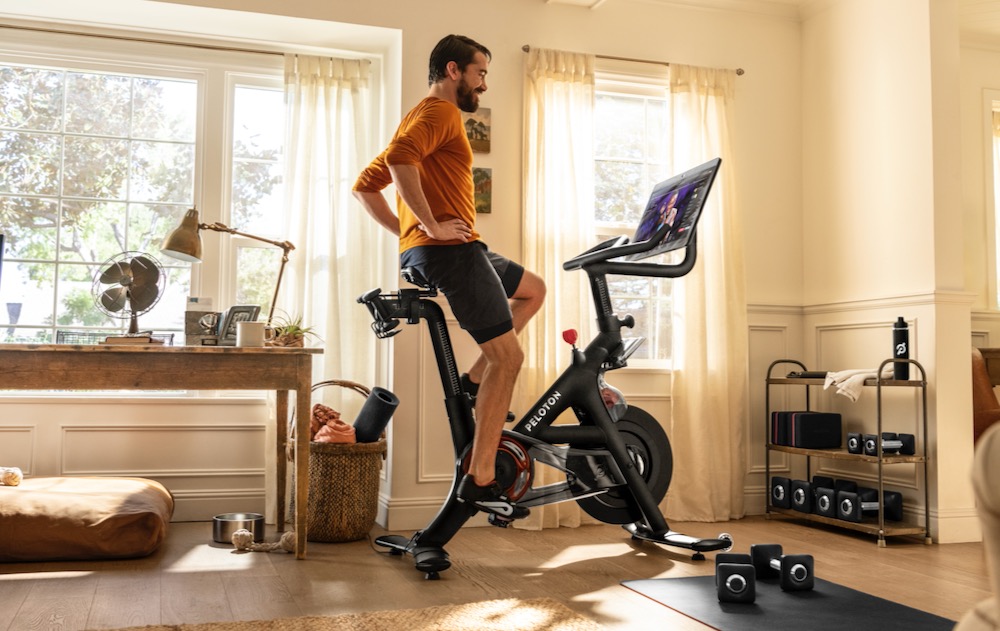
While Peloton IQ represents the software backbone of the company’s AI strategy, the launch of the Tread Flex demonstrates how that strategy is being translated into hardware that addresses specific consumer pain points. The Tread Flex, priced at $2,195, is Peloton’s first foldable treadmill and its lowest-priced model to date. The device collapses to approximately half its floor footprint, a design choice explicitly intended to attract customers who are short on space or working with a more modest budget.
The significance of the Tread Flex extends beyond its price point. For years, one of the primary barriers to entry for Peloton’s treadmill products has been the combination of high cost and substantial space requirements. The Tread Flex addresses both concerns simultaneously. It goes on sale in North America on October 1, 2025, with other markets to follow in spring 2027. This staggered rollout strategy suggests that Peloton is testing the product’s reception in its most mature market before committing to a global launch.
Two higher-end models round out the new treadmill lineup: the Tread Vision at $3,495 and the Tread+ Vision at $6,695, both also available from October 1, 2025. The Tread Vision and Tread+ Vision include the movement-tracking cameras that deliver post-run form insights, making them particularly attractive to serious runners who want to improve their technique. The Tread+ Vision, as noted, introduces Sled Mode, positioning it as the most versatile and powerful treadmill in Peloton’s portfolio.
The pricing architecture of the new lineup is instructive. By offering a foldable, affordable entry point alongside premium models with advanced AI capabilities, Peloton is attempting to capture a broader spectrum of consumers. CEO Peter Stern has articulated this strategy explicitly: “Expanding our treadmill portfolio and launching AI-powered software for runners will allow us to connect with a much wider audience”. This is not merely a product launch; it is a market expansion strategy executed through hardware and software innovation.
AI-Powered Running Features: A Deep Dive
The AI capabilities of Peloton IQ are most fully realized in the running-specific features that were introduced alongside the new treadmill lineup. These features are designed to serve runners of all levels, from casual joggers to marathon competitors, and they represent some of the most sophisticated applications of artificial intelligence in consumer fitness technology.
A. Run Analysis: This feature scores running efficiency based on cadence, vertical oscillation, and stride length. For serious runners, these metrics are not merely interesting data points; they are the key to understanding and improving performance. Cadence, or steps per minute, is a critical determinant of running economy. Vertical oscillation, the amount of up-and-down movement during each stride, affects both efficiency and injury risk. Stride length, when analyzed in conjunction with cadence and speed, provides insights into a runner’s biomechanics. Peloton IQ then uses this information to generate a Running Efficiency Score between 1 and 100, along with personalized suggestions to help the runner improve their form.
B. IQ Pace Targets: This feature sets personalized speed ranges for each interval, learning from the user’s recent training and suggesting pace ranges that are appropriate for their current fitness level. Unlike generic training plans that prescribe arbitrary pace targets, IQ Pace Targets are dynamically calibrated to the individual. This is a significant advancement because it acknowledges that fitness is not static; it fluctuates based on training load, recovery, and other factors. By continuously updating pace targets based on recent performance, Peloton IQ provides a more responsive and effective training experience.
C. ReRuns: This feature allows members to replay outdoor routes on the treadmill by syncing incline data through the Peloton app. For runners who have favorite outdoor courses but cannot always access them due to weather, travel, or time constraints, ReRuns offers a way to experience those routes indoors. The incline data is synced via the Peloton app, and the treadmill automatically adjusts its incline to match the elevation profile of the original route. This feature has the potential to transform the treadmill experience from a monotonous indoor workout to a more engaging and immersive simulation of outdoor running.
D. Heart Rate Zone Workouts: The expansion of Peloton IQ includes more Zone 2 training options, which are increasingly recognized in the fitness community as essential for building aerobic endurance and metabolic health. Zone 2 training, characterized by low-intensity, steady-state exercise, is a cornerstone of endurance training for athletes and a growing area of interest for general fitness enthusiasts.
E. Whoop Integration: Peloton is also rolling out a Whoop integration, allowing workout data from its platform to flow into Whoop’s analytics alongside existing links to Apple Health, Fitbit, and Garmin Connect. This integration exemplifies Peloton’s recognition that its users are part of a broader fitness ecosystem. By facilitating data portability, Peloton positions itself as a hub rather than a walled garden, which may enhance member satisfaction and retention.
The Strategic Context: Why AI and Why Now?
To fully appreciate the significance of Peloton’s AI platform launch, it is essential to situate it within the broader strategic and market context. Peloton has endured a turbulent decade. The company’s revenues climbed quickly in its early years, driven by online instructors who developed an enthusiastic following among home cyclists. Sales topped $4 billion in 2021 as the COVID-19 pandemic ignited a home-fitness boom. However, after the pandemic ended and exercise enthusiasts returned to gyms and outdoor activities, Peloton struggled. Slumping revenues, mass layoffs, and several safety recalls drove its stock price down from a peak of $151.72 per share in December 2020 to approximately $5 per share by 2026.
The launch of Peloton IQ and the Cross Training Series represents the latest phase of CEO Peter Stern’s turnaround strategy. Since assuming the role in January 2025, Stern has sought to increase innovation and help the company branch out into new fitness modalities. The results have been mixed. Peloton posted its first full fiscal year of net income in August 2026, recording a $63.2 million profit for the year ended June 30, 2026. However, revenue fell to $2.446 billion from $2.491 billion the prior year, and paid connected fitness subscriptions declined by approximately 247,000, or roughly 9%, to 2.553 million. For fiscal 2027, Peloton projected revenue of $2.3 billion to $2.4 billion, below what analysts had anticipated.
These financial figures underscore the urgency of Peloton’s AI pivot. The company has returned to profitability and improved its cash generation, but revenue growth remains a challenge as subscriptions trend lower. Peloton IQ and the expanded treadmill portfolio are designed to address this challenge by broadening the addressable market and increasing engagement among existing members. The AI-driven personalization sits at the center of this strategy. By combining behavioral data with real-time performance metrics, Peloton aims to enhance user retention and elevate lifetime value per member.
Early indicators are encouraging. According to reports, Peloton’s AI coaching feature is resonating with users, with 46% of active users engaging with personalized guidance. This level of engagement suggests that Peloton IQ is not merely a technological curiosity but a feature that members find genuinely valuable. In a subscription-based business model, engagement is the lifeblood of retention, and retention is the foundation of sustainable growth.
The Broader Implications: AI, Coaching, and the Future of Fitness
The launch of Peloton IQ raises profound questions about the future of fitness coaching and the role of artificial intelligence in personal health. When Peloton introduced its new AI software, some observers questioned whether the technology might replace in-person training with human coaches. This is a legitimate concern, but it is also a simplification of a more complex reality.
Artificial intelligence is unlikely to fully replace human coaches, particularly for athletes and individuals with specialized needs. However, it is already transforming the coaching landscape by democratizing access to personalized guidance. Historically, the benefits of having a personal trainer real-time feedback, customized workout plans, accountability were available only to those who could afford the significant expense. Peloton IQ, by contrast, makes many of these benefits available to anyone with a Peloton membership, at a fraction of the cost of in-person training.
This democratization has the potential to improve fitness outcomes for a broader segment of the population. Research consistently shows that personalized feedback and structured progression are more effective than generic workout plans for achieving fitness goals. If Peloton IQ can deliver these elements at scale, it could contribute to improved public health outcomes and greater equity in access to quality fitness guidance.
At the same time, the AI-driven approach has limitations. Computer vision systems, while increasingly sophisticated, cannot fully replicate the nuanced understanding that a human coach brings to the training relationship. A human coach can read subtle cues body language, facial expressions, verbal hesitations that might indicate fatigue, pain, or psychological barriers. An AI system, at least in its current form, cannot. For this reason, the most likely future is not one in which AI replaces human coaches but one in which the two coexist and complement each other. AI handles the routine aspects of coaching tracking metrics, suggesting paces, providing basic form feedback while human coaches focus on the higher-order aspects of training: motivation, strategy, and the interpersonal connection that is central to sustained behavior change.
Conclusion: A New Chapter for Peloton and Connected Fitness
The launch of Peloton IQ and the Cross Training Series marks a pivotal moment in the evolution of connected fitness. It represents Peloton’s most ambitious attempt to date to transcend its identity as a cycling company and establish itself as a comprehensive wellness platform. By integrating artificial intelligence and computer vision into every stage of the fitness experience, Peloton is not merely adding features to its products; it is redefining the relationship between user and equipment.
The stakes are undeniably high. Peloton’s financial performance in recent years has been uneven, and the company faces intense competition from established fitness brands, emerging direct-to-consumer players, and the resurgent in-person gym sector. The AI platform and new hardware lineup represent a substantial bet that personalization, driven by artificial intelligence, is the key to unlocking sustained growth and member engagement.
Yet there are reasons for cautious optimism. The early engagement metrics for Peloton IQ are promising. The expansion into running, walking, and hiking opens new customer segments that were previously underserved by Peloton’s cycling-centric offerings. The introduction of the Tread Flex at a lower price point and with a foldable design addresses two of the most significant barriers to adoption: cost and space. And the integration of AI-powered features like Run Analysis, IQ Pace Targets, and ReRuns demonstrates a genuine commitment to innovation that enhances the user experience rather than merely adding superficial features.
As Peloton enters this new chapter, it will be closely watched by industry observers, investors, and consumers alike. The company’s ability to execute on its AI vision, maintain member engagement, and achieve sustainable revenue growth will determine whether this launch represents a genuine turnaround or merely a temporary reprieve. What is certain is that Peloton IQ has raised the bar for what consumers can expect from connected fitness platforms. In doing so, it has set the stage for a new era of intelligent, personalized, and accessible fitness coaching an era in which artificial intelligence serves not as a replacement for human connection but as a catalyst for human potential.