

In the last decade, gyms competed on location, equipment, and price. Today, a quieter revolution is reshaping the fitness industry from the inside out. Artificial intelligence is no longer a futuristic gimmick reserved for elite sports labs or luxury wellness resorts. It is becoming the operating system of the modern gym. An AI fitness platform can now analyze a member’s movement, adjust a workout in real time, predict when someone is likely to cancel, recommend the right class, and even tell gym owners which machines are underused. The result is not just a smarter gym. It is a more personalized, efficient, and profitable fitness business.
This article explores how AI fitness platforms are revolutionizing gyms, why members respond to them, what operators gain, and what challenges must be addressed before the technology becomes truly mainstream. It also examines the practical steps gyms can take to adopt AI without losing the human touch that keeps communities strong.
The Shift From Generic Workouts to Intelligent Coaching
For decades, the typical gym experience followed a predictable pattern. A member joins, receives a basic orientation, and is left to figure out the rest. Some hire personal trainers. Many do not. Most eventually stop coming. The business model often depended on attracting new members rather than keeping existing ones engaged.
AI fitness platforms change that equation. Instead of offering the same workout plan to everyone, an AI system can build a program around an individual’s goals, fitness level, medical history, schedule, and even mood. It can learn from every completed session, every skipped workout, and every wearable reading. Over time, the platform becomes a digital coach that understands the member better than a generic template ever could.
This shift matters because personalization is one of the strongest drivers of adherence. When people feel that a workout was designed for them, they are more likely to return. When the plan adapts to their progress, they are less likely to plateau. When the system notices they are struggling, it can reduce intensity or suggest recovery. That level of responsiveness was once available only to athletes with full-time coaching teams. AI brings it to the general gym population at scale.
What Makes an AI Fitness Platform Different?
An AI fitness platform is not simply a fitness app with a few automated features. It is an integrated system that combines data, machine learning, sensors, and user interfaces to improve decisions for both members and staff. Several core capabilities define the category.
A. Adaptive training engines
These engines use machine learning to adjust workout variables such as volume, intensity, rest periods, and exercise selection. They can respond to performance data, heart rate variability, sleep quality, and subjective feedback.
B. Computer vision and form analysis
Cameras and depth sensors can track joint angles, tempo, and range of motion. The system can then provide real-time cues or flag risky movement patterns. This is especially valuable for exercises like squats, deadlifts, and overhead presses.
C. Smart equipment integration
Connected treadmills, bikes, rowers, and strength machines can send data directly to the platform. This creates a seamless experience where the equipment recognizes the member and loads the correct program.
D. Predictive analytics for retention
AI can identify members who are at risk of churning based on attendance patterns, app usage, payment history, and engagement with coaches. Staff can then intervene before the member disappears.
E. Conversational coaching and chatbots
Generative AI and natural language processing allow members to ask questions, receive encouragement, and get workout modifications through chat or voice. This makes coaching feel immediate and accessible.
F. Operational intelligence
On the business side, AI can optimize class schedules, predict peak hours, manage equipment maintenance, and recommend pricing or membership options.
Together, these features turn a gym from a collection of machines into a responsive ecosystem. The platform does not replace human trainers. It gives them better data and more time to focus on relationships, motivation, and complex coaching decisions.
How AI Improves the Member Experience
The member experience is where AI fitness platforms make their most visible impact. A new member often feels uncertain. They may not know which exercises to do, how much weight to lift, or how to structure a week of training. AI can reduce that friction dramatically.
Imagine walking into a gym and having the system recognize you through your phone or wearable. Your workout for the day is already prepared. It reflects your last session, your sleep score, and your stated goal. The first machine you approach automatically sets your seat height and resistance. A screen shows your previous performance and suggests a target. If your form slips, a gentle vibration or audio cue reminds you to brace your core. When you finish, the platform updates your plan and sends a summary to your trainer.
This kind of experience is not science fiction. It is already possible through a combination of mobile apps, Bluetooth-enabled equipment, computer vision, and cloud analytics. The best platforms make the technology invisible. Members do not need to understand the algorithms. They simply feel that the gym knows them.
Personalization also extends beyond strength training. AI can recommend yoga classes based on stress levels, suggest mobility work after a long run, or adjust a cycling class based on heart rate zones. It can create micro-workouts for busy days and recovery sessions for rest days. For members with specific conditions, such as lower back pain or knee instability, the platform can filter exercises and provide safer alternatives.
How AI Helps Gym Owners and Operators
While members see a smarter workout, gym owners see a smarter business. AI fitness platforms generate a constant stream of data that can be used to improve operations, reduce costs, and increase revenue.
One major benefit is retention. Acquiring a new member is often more expensive than keeping an existing one. AI can predict which members are likely to leave and why. For example, a member who used to attend three times a week but has not visited in ten days may receive a personalized message, a free session with a trainer, or a modified plan that fits their current schedule. These interventions can be automated or assigned to staff.
Another benefit is equipment utilization. Gyms often invest heavily in machines that sit idle while other areas are overcrowded. AI can analyze usage patterns and recommend changes to layout, maintenance schedules, or purchasing decisions. It can also predict when a treadmill or cable machine is likely to fail, allowing repairs before downtime frustrates members.
Staffing is another area where AI adds value. By forecasting peak hours, the platform can help managers schedule trainers, front desk staff, and cleaning crews more efficiently. It can also identify which classes are popular and which instructors drive the strongest engagement. This data helps gyms build a schedule that matches real demand rather than guesswork.
Marketing becomes more precise as well. AI can segment members by goals, behavior, and preferences. A member interested in strength training may receive different offers than someone focused on weight loss or athletic performance. This reduces wasted ad spend and improves conversion rates.
The Role of Wearables, Sensors, and the Internet of Things
AI fitness platforms do not operate in isolation. They depend on a network of wearables, sensors, and connected devices. Smartwatches and fitness trackers provide heart rate, sleep, steps, and recovery data. Smart rings offer additional insights into readiness. Smart clothing and patches can monitor muscle activity and hydration. Gym equipment with embedded sensors captures performance metrics like power, speed, and range of motion.
The Internet of Things connects these devices into a single ecosystem. When data flows smoothly, the platform can create a holistic view of the member. It can see that someone slept poorly, has a elevated resting heart rate, and performed poorly in their last workout. Instead of pushing them through a high-intensity session, the AI may recommend active recovery, mobility work, or a lighter day. This kind of decision-making is difficult for a human coach managing dozens of clients, but it is natural for an AI system.
Interoperability is critical. Members use different devices, and gyms use different equipment brands. The most successful AI fitness platforms are those that integrate with popular wearables and open APIs. They do not lock data into a single silo. Instead, they act as a central intelligence layer that works across the member’s entire fitness life.
Personalization at Scale Without Losing the Human Touch
One common concern is that AI will make gyms impersonal. In reality, the opposite can happen. When routine decisions are automated, trainers and coaches have more time for meaningful interaction. They can focus on motivation, accountability, and emotional support. They can celebrate milestones, adjust goals, and help members overcome mental barriers. The AI handles the math and the logistics. The human handles the relationship.
This division of labor is powerful. A trainer can walk into a session already knowing that the member slept five hours, missed their last workout, and reported high stress. Instead of spending the first ten minutes assessing the situation, the trainer can immediately address the member’s needs. The session becomes more valuable because it is built on accurate, timely data.
AI can also extend the human touch beyond the gym walls. Between sessions, members can receive check-ins, reminders, and encouragement. If they have a question at 6 a.m., a chatbot can provide an answer. If they need deeper support, the platform can connect them to a human coach. This creates a continuous coaching experience rather than a series of isolated appointments.
Retention, Churn Reduction, and Member Lifetime Value
Retention is the lifeblood of the fitness industry. A gym with high churn must constantly spend on marketing to replace lost members. AI fitness platforms attack churn from multiple angles.
First, they improve the onboarding experience. New members receive a personalized plan immediately, which reduces the confusion and intimidation that often lead to early cancellation.
Second, they create habit loops. Streaks, progress tracking, and adaptive goals encourage regular attendance. The platform can send reminders at the right time and suggest workouts that fit the member’s current energy level.
Third, they detect disengagement early. If a member’s attendance drops, the system flags it. Staff can then reach out with empathy and a concrete solution. Sometimes the issue is a busy schedule. Sometimes it is an injury. Sometimes it is boredom. AI helps identify the likely cause and recommend the right response.
Fourth, they deliver visible progress. Members who see improvements in strength, endurance, or body composition are more likely to stay. AI can highlight these gains through charts, badges, and personalized insights.
Over time, these factors increase member lifetime value. Members stay longer, refer more friends, and are more willing to pay for premium services. For gym owners, this is the ultimate return on investment.
New Revenue Streams and Business Models
AI fitness platforms also open the door to new revenue models. Gyms can offer tiered memberships that include advanced AI coaching, personalized nutrition guidance, or priority access to trainers. They can sell virtual coaching subscriptions to members who travel frequently or prefer to work out at home. They can create corporate wellness programs that use AI to support employee health at scale.
Data-driven insights can also support premium services. A member who wants to train for a marathon can receive a specialized AI program with weekly adjustments. A member recovering from an injury can follow a rehabilitation plan developed with a physical therapist and monitored by AI. These offerings command higher prices because they deliver clear, personalized value.
Another model is the platform-as-a-service approach. Instead of building AI in-house, gyms can license a white-label platform that integrates with their existing equipment and software. This lowers the barrier to entry and allows smaller gyms to compete with larger chains.
Implementation Roadmap for Gyms
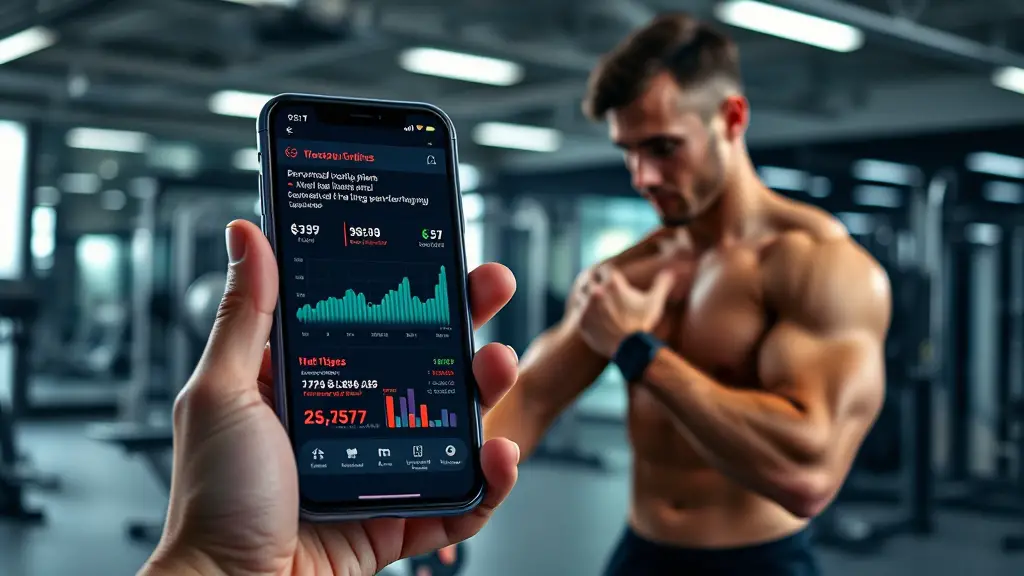
Adopting AI does not have to be an all-or-nothing project. Gyms can take a phased approach that manages cost, risk, and change management.
A. Audit current data and systems
Identify what data is already collected, where it lives, and how clean it is. Without reliable data, AI cannot produce reliable results.
B. Define clear business goals
Decide whether the priority is retention, personalization, equipment utilization, or revenue growth. The platform should serve those goals, not the other way around.
C. Choose the right technology partners
Look for platforms that integrate with existing wearables, equipment, and management software. Ask about data ownership, security, and support.
D. Start with a pilot program
Test the AI platform with a small group of members and trainers. Gather feedback, measure results, and refine the experience before rolling it out gym-wide.
E. Train staff thoroughly
Trainers and front desk teams need to understand what the AI does and how to use its insights. They should feel empowered, not threatened.
F. Scale gradually and measure continuously
Expand the program as results improve. Track retention, engagement, satisfaction, and revenue. Use the data to make informed decisions.
G. Communicate the value to members
Explain how AI improves their experience and protects their privacy. Transparency builds trust.
Challenges, Risks, and Ethical Considerations
No technology is without challenges. AI fitness platforms raise important questions about privacy, bias, accuracy, and dependency.
Privacy is the most immediate concern. Fitness data is sensitive. It can reveal health conditions, lifestyle habits, and personal goals. Gyms must be transparent about what data is collected, how it is used, and who can access it. They must comply with regulations such as GDPR, CCPA, and other local laws. Strong encryption, anonymization, and consent management are essential.
Bias is another risk. If an AI model is trained primarily on data from young, healthy, athletic populations, it may give poor recommendations to older adults, beginners, or people with disabilities. Developers must ensure diverse training data and regular audits. Gyms should also provide ways for members to override or customize AI recommendations.
Accuracy matters as well. A computer vision system that miscounts reps or misreads form can frustrate members or even cause injury. Human oversight is still necessary, especially for high-risk exercises. AI should be a tool, not the final authority.
Finally, there is the risk of over-dependency. Some members may become so reliant on AI that they lose confidence in their own judgment. The best platforms encourage autonomy by explaining recommendations and teaching principles. They aim to make members more capable, not more dependent.
Privacy, Security, and Building Member Trust
Trust is the foundation of any successful AI fitness platform. Members must believe that their data is safe and that the technology works in their best interest. Gyms can build trust by following several principles.
A. Be transparent about data collection
Use plain language to explain what is collected and why. Avoid burying critical information in lengthy terms of service.
B. Give members control
Allow them to opt in or out of specific data collection. Let them delete their data and export it if they choose.
C. Invest in cybersecurity
Use encryption, multi-factor authentication, and regular security audits. Train staff on data protection best practices.
D. Use data ethically
Do not sell member data to third parties without explicit consent. Do not use AI to manipulate or pressure members in ways that harm their wellbeing.
E. Show the benefits clearly
When members see how AI improves their workouts and helps them reach goals, they are more likely to share data willingly.
The Future of Gyms: Hybrid, Autonomous, and Community-Driven
The gym of the future will likely be a hybrid space. It will combine physical equipment, digital coaching, and community experiences. AI will be the connective tissue that makes it all work. Some locations may become more autonomous, with 24/7 access, smart equipment, and virtual trainers. Others may double down on community, using AI to free up staff for group coaching, events, and social connection.
We may see AI-powered mirrors that correct form in real time. Smart floors that track movement and balance. Recovery pods that adjust based on biometric data. Nutrition apps that sync with workouts and grocery lists. The boundaries between gym, clinic, and home will blur.
What will not change is the human need for motivation, belonging, and progress. AI can enhance those needs, but it cannot replace them. The most successful gyms will be those that use AI to amplify human connection, not diminish it.
Conclusion

AI fitness platforms are revolutionizing gyms by making personalized coaching accessible, improving retention, optimizing operations, and creating new revenue opportunities. They transform the member experience from generic to adaptive, and they give gym owners the data they need to make better decisions. At the same time, they raise important questions about privacy, bias, and the role of technology in human health.
The gyms that thrive will not be the ones that adopt every new gadget. They will be the ones that use AI thoughtfully, ethically, and strategically. They will blend intelligent systems with empathetic coaches, connected equipment with welcoming communities, and data-driven insights with genuine care for members. In that balance, the AI fitness platform becomes more than a tool. It becomes a partner in building healthier, stronger, and more loyal fitness communities.